Does Red Light Therapy Help Blepharitis?
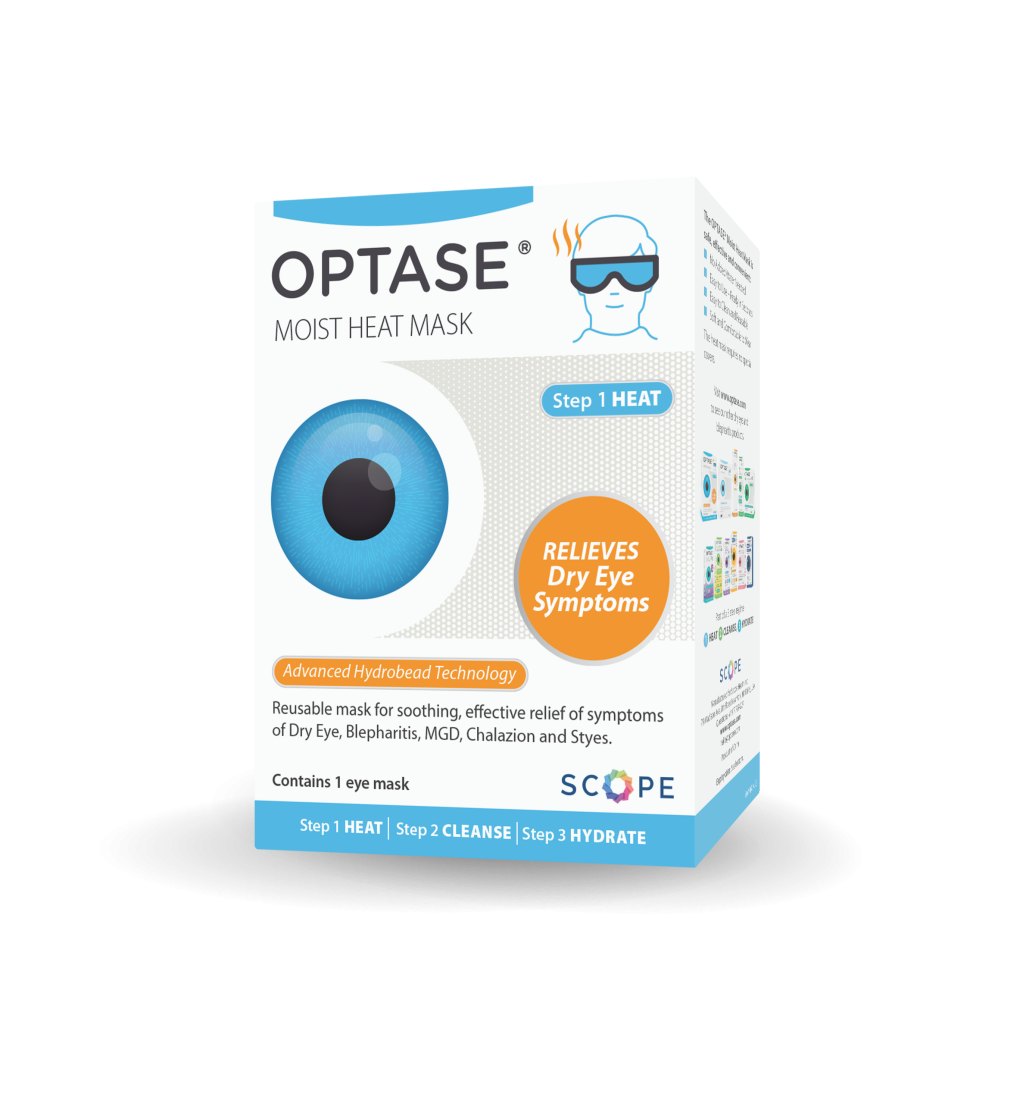
Red light therapy for blepharitis is an emerging idea with early, mostly preliminary evidence, and we grade it Emerging. The most relevant studies pair low-level light with intense pulsed light rather than testing red light on its own, and they are small and early in design. There is a plausible anti-inflammatory rationale, and the first results for the Demodex form of blepharitis are encouraging, but this is not yet a proven standalone treatment. This review lays out what the research actually shows and where the caveats are.
It is an evidence summary, not medical advice. We sell no hardware and grade the evidence as we find it.
Quick verdict
For blepharitis, red light therapy has a reasonable anti-inflammatory rationale and some early supportive data, especially for the Demodex form, but the studies are small, often retrospective, and usually combine light with intense pulsed light. We grade it Emerging: promising enough to watch, not established enough to rely on alone. Standard lid hygiene and professional care remain the foundation.
What is blepharitis?
Blepharitis is chronic inflammation of the eyelid margins, the strip of skin where the lashes grow. It causes red, irritated, flaky, and crusted lids, often with burning and grittiness, and it frequently overlaps with meibomian gland dysfunction and dry eye. It tends to be a long-running, relapsing condition managed rather than cured.
One important subtype is Demodex blepharitis, caused by tiny mites that live around the lash follicles. It is identified by cylindrical dandruff-like deposits at the lash base called collarettes, and it can be stubborn against conventional lid hygiene, which is part of why newer light-based approaches are being explored.
What the research shows
The clearest evidence so far is for Demodex blepharitis, and it comes with caveats. A 2025 study combined intense pulsed light with low-level blue and red light therapy in recalcitrant cases and reported meaningful improvements, including lower collarette scores, reduced inflammation, less corneal surface staining, and better symptom scores, with no treatment-related adverse effects (Lu et al., 2025).
The honest framing matters here. That study was retrospective, small, and used light alongside intense pulsed light rather than red light alone, so it cannot tell us how much the red light itself contributed. It is genuinely encouraging for a difficult condition, but it is early-stage evidence, not a controlled trial of standalone red light therapy for blepharitis.
Why the anti-inflammatory rationale is plausible
The reason researchers are interested is mechanistic. Blepharitis is fundamentally an inflammatory and, in the Demodex form, an infestation problem, and photobiomodulation with red and near-infrared light is studied for its effects on inflammation and cellular function (Gaspari et al., 2024).
Because blepharitis so often travels with meibomian gland dysfunction, the gland-supporting effects seen in that condition may also help the lid margin indirectly. Low-level light therapy has supportive data in MGD and dry eye (Giannaccare et al., 2022), which is part of why combined lid-focused light protocols are being tried. A plausible mechanism is a reason to study something, not proof that it works.
At-home versus clinic for blepharitis
For blepharitis, the evidence that exists is clinic-based, because intense pulsed light is an in-office procedure and the light was delivered alongside it. That makes the clinic the setting where light-based treatment for blepharitis has actually been studied, typically for cases that have not responded to standard measures.
At-home red light masks are not established for blepharitis, and they should not replace the basics: lid hygiene, warm compresses, and any treatment your eye doctor prescribes for the mites or inflammation. If you are considering light therapy for stubborn blepharitis, it is a conversation to have with an eye-care professional rather than a do-it-yourself project.
What it cannot do
Red light therapy is not a proven cure for blepharitis, and on its own it is not established treatment at all. It does not replace lid hygiene, and for Demodex blepharitis it is not a substitute for the targeted treatments that reduce the mites. Blepharitis is also chronic and relapsing, so any approach manages it rather than ending it. Anyone with severe symptoms, pain, or vision changes should see an eye-care professional rather than self-treat.
Frequently asked questions
Does red light therapy work for blepharitis?
The evidence is early. The most relevant study showed improvements in Demodex blepharitis but used low-level light alongside intense pulsed light, not red light alone, and was small and retrospective (Lu et al., 2025). We grade it emerging, not proven.
Can red light therapy treat Demodex blepharitis?
It shows early promise as part of a combined clinic protocol, with reduced mite-related collarettes and inflammation reported (Lu et al., 2025). It is not established as a standalone treatment, and targeted anti-mite care remains central.
Why is light usually combined with IPL for blepharitis?
Because intense pulsed light is the in-office treatment being studied, and the low-level light is added to it. That design makes the combination encouraging but makes it impossible to credit red light on its own (Lu et al., 2025).
Can I treat blepharitis at home with a red light mask?
There is no established evidence for that, and it should not replace lid hygiene, warm compresses, or prescribed treatment. Discuss light therapy with an eye-care professional, especially for the Demodex form.
Will red light cure my blepharitis?
No. Blepharitis is chronic and relapsing, so any treatment manages it rather than curing it, and red light therapy is not a proven standalone treatment in the first place.
The bottom line
Red light therapy for blepharitis is an emerging option with a sensible anti-inflammatory rationale and encouraging early results for the Demodex form, which is why we grade it Emerging rather than proven. The key caveats are that the evidence is small, retrospective, and usually combines light with intense pulsed light in a clinic, so standalone home use is not established. Lid hygiene and professional care remain the foundation, and a heated eye mask is the standard at-home tool for the warmth that clears the glands. For the closely related conditions, see our meibomian gland dysfunction review and dry eye review, and for the wider evidence base, our research reviews.
This review is an educational summary of published evidence. It is not medical advice and does not create a doctor-patient relationship. Always talk to a qualified eye-care professional before starting any light-based therapy.
More from the Institute
 Certified
Certification Report: Spectral Wavefront Device (Kyper Spectral Science Inc.)
The Institute reviewed the Spectral Wavefront optical device for effectiveness and safety. It met or exceeded our safety standards and…
 Mixed
Mixed
Does Red Light Therapy Help Diabetic Retinopathy?
The largest trial of light therapy for diabetic eye disease found no benefit. What CLEOPATRA showed, why early hopes faded,…
 Insufficient
Does Red Light Therapy Help Cataracts?
There is no evidence red light therapy treats or reverses cataracts. Here is why, what a cataract actually is, the…