PBM: Eyes Open or Eyes Closed?
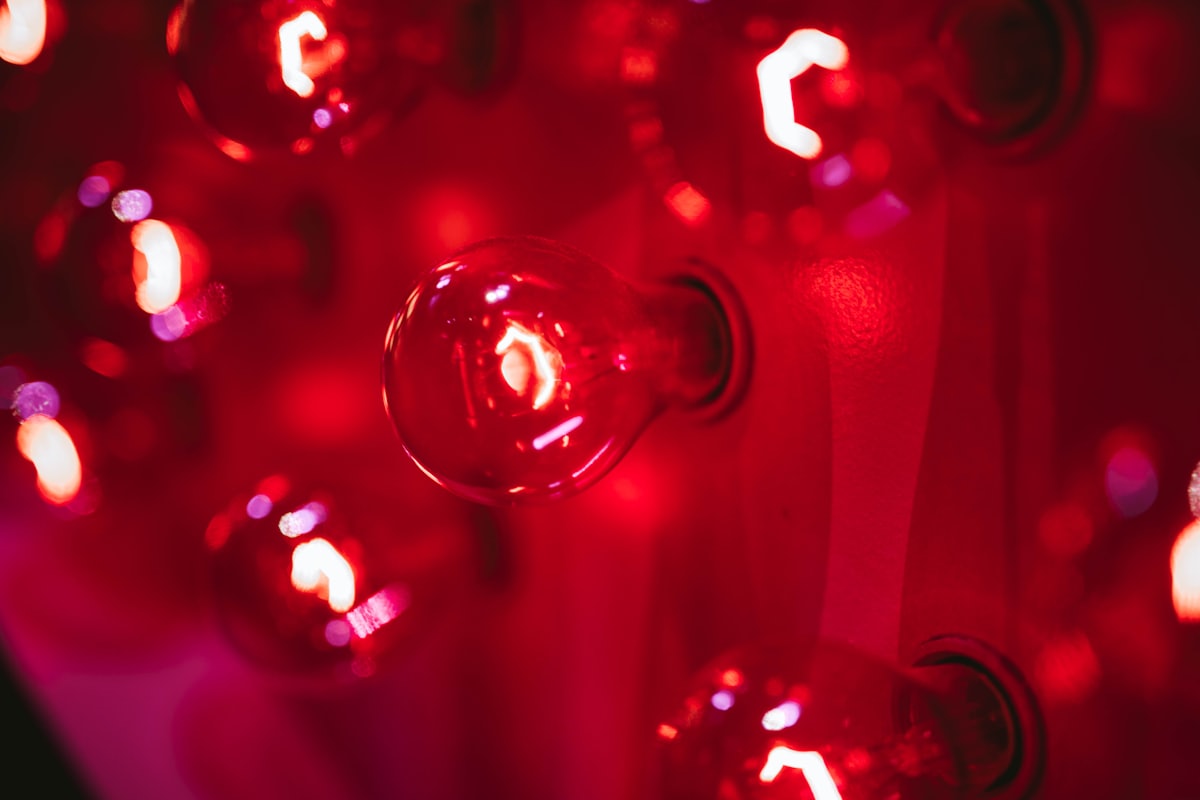
Photobiomodulation investigation by the Institute of Optical Therapeutics, Summer 2024.
Abstract
This investigation considered dose effects (energy received by the eyes) and user comfort (glare, measured as Lux) using 600–1000 nm photobiomodulation in the 1–10 mW/cm² range. We conclude that the dosing effect of keeping the eyes closed is a reduction in energy received at the eye surface of 12–28%, depending on wavelength.
Background
Many ocular and periocular PBM protocols leave it to the user whether to keep the eyes open or closed during treatment. Because the eyelid attenuates and scatters incident light wavelength-dependently, this choice changes the actual dose delivered to the eye surface. For a therapy whose effect, and safety margin, depends on delivered energy, that variability matters.
Method
Beginning with the (patent-pending) Spectral Wavefront device by Kyper Spectral Science Inc., we manipulated the LED array to provide controlled test wavelengths and energy levels across the 600–1000 nm band. We then measured incident irradiance at the eye-surface plane under two conditions (eyes open and eyes closed) while logging perceived glare (Lux) for user comfort.
Findings
- Energy reduction with eyes closed: 12–28% lower surface irradiance, with the largest attenuation at shorter (redder) wavelengths and progressively less attenuation toward the near-infrared, consistent with the eyelid’s wavelength-dependent transmission.
- Comfort: Closing the eyes substantially reduced perceived glare/Lux, improving tolerability of the session.
Implications
Protocols and device instructions should state explicitly whether a dose is specified for the eyes-open or eyes-closed condition, because the two are not interchangeable. Manufacturers quoting a target dose at the eye surface should indicate the eyelid condition assumed, and certification testing should measure both.
For investigation details, contact info@instituteofopticaltherapeutics.org.
© Institute of Optical Therapeutics. All rights reserved.
More from the Institute
 Insufficient
Does Red Light Therapy Help Eye Strain?
There is little direct evidence that red light therapy treats digital eye strain. Here is the honest picture, why the…
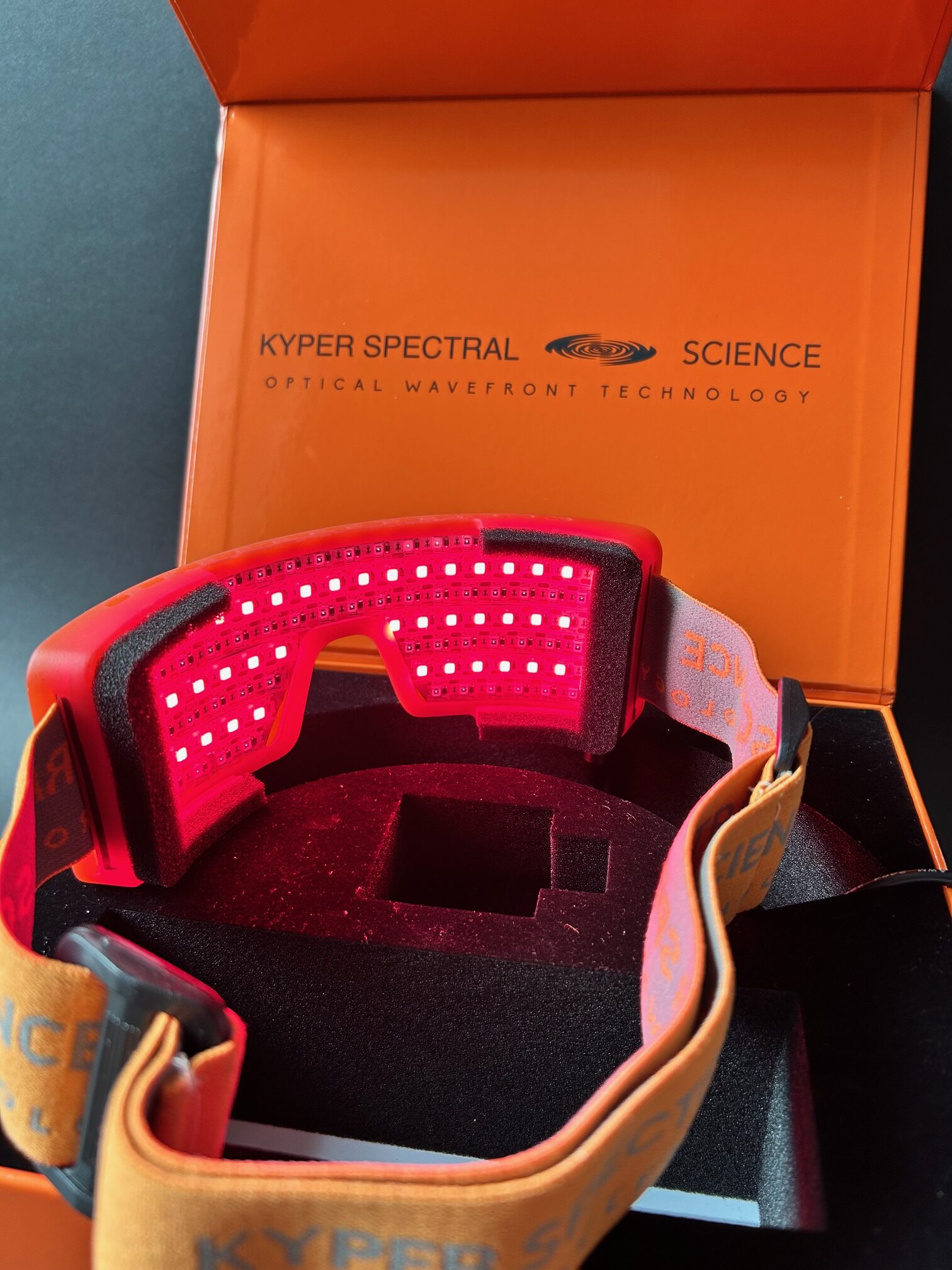
Spectral WaveFront Review (2026): An Honest Assessment
An independent, criteria-scored review of the Kyper Spectral WaveFront red light eye mask: what the 670nm and 810nm evidence actually…
 Likely helpful
Does Red Light Therapy Help Dry Eye Disease?
Dry eye disease has the strongest light-therapy evidence of any condition we review. What the trials show for IPL and…