Red Light Therapy Glasses and Goggles for Eyes (2026)
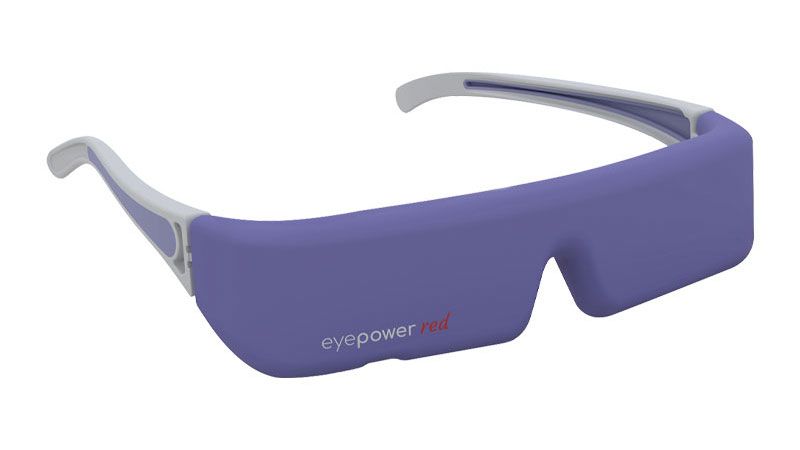
Red light therapy glasses and goggles are the most portable way to deliver red light to the eyes, a compact frame that sits close to the eye and emits deep-red light, usually around 670nm. They are a different format from the full-face masks and the clinic systems, with their own trade-offs: cheaper and simpler, but narrower in what they do. This guide explains how the glasses format works, what to look for, and which options are worth knowing about, with an honest read on the evidence.
We sell no hardware and score every device on the same criteria. For the full, scored line-up across all formats, see our eye-device buying guide. Product photos belong to the manufacturers and are shown for identification.
What are red light therapy glasses?
Red light therapy glasses, sometimes sold as goggles, are wearable devices that shine red or near-infrared light directly toward the eyes and the surrounding tissue. Most use a single wavelength around 670nm, the deep-red light most studied for the retina, delivered in short timed sessions of a few minutes.
The format’s appeal is simplicity and price. A pair of glasses is compact, easy to use at home, and usually the cheapest way into eye-focused red light therapy. The trade-off is that single-wavelength glasses do one thing, retinal-focused red light, and generally lack the dual wavelengths, lid warming, and dry-eye modes that fuller masks offer.
Glasses and goggles versus masks and panels
Choosing a format is mostly about matching the device to your goal. Glasses and goggles aim a focused dose of 670nm light at the eye, which suits people interested in the retinal-aging research. Full-face masks tend to combine more wavelengths and add warmth, which makes them better for dry eye and blocked oil glands. Clinic systems are a different tier again, supervised and evidence-backed for specific diseases.
The one format to avoid for the eyes is a general red light panel built for skin or muscle recovery. Those deliver a high, uncontrolled dose meant for tissue you are not looking at, and pointing one at your eyes is exactly the misuse our eye-safety guide warns against. Eye-specific glasses exist precisely because the dose has to be controlled.
What the evidence says
The case for red light glasses rests on the wavelength, not on the specific products. The most cited human work used 670nm light and found a single exposure improved colour-contrast sensitivity in older eyes (Shinhmar et al., 2021). Glasses that emit 670nm are delivering that studied wavelength.
The honest caveat is that almost no consumer glasses have been tested as their own product in a clinical trial. They borrow the credibility of the wavelength research rather than proving their own results, which is common across the at-home category. Treat them as a reasonable, research-aligned way to deliver 670nm at home, not as a proven treatment, and read our 670nm wavelength explainer for the underlying science.
What to look for in red light therapy glasses
Because the wavelength does the work, the specifications that matter are the ones that confirm the device is built and dosed for the eye.
- Wavelength: look for 670nm red, the range with the most retinal research; some add near-infrared around 810nm.
- A controlled, timed dose: the device should specify session length and frequency, because light therapy is biphasic and more is not better (Huang et al., 2009).
- Built for the eye, not the skin: an eye-specific device with a capped output, never a repurposed skin panel.
- Comfort and fit: you will hold a position for the full session, so a frame that sits stably matters.
- Honest claims: be wary of any pair promising to cure eye disease; the evidence supports research-aligned support, not cures.
The main red light therapy glasses options
Two glasses-format devices are worth knowing about. Both are covered in full, with specs and pros and cons, in our eye-device buying guide; here is the short version.
Eyepower Red is the value pick, a compact pair of 670nm glasses developed in the UK in association with University College London researchers, at around $110. It is single-wavelength and leans on the general 670nm research rather than a trial of the product, but its claims are conservative and well-aligned with the science.
Check price at Eyepower See the full review
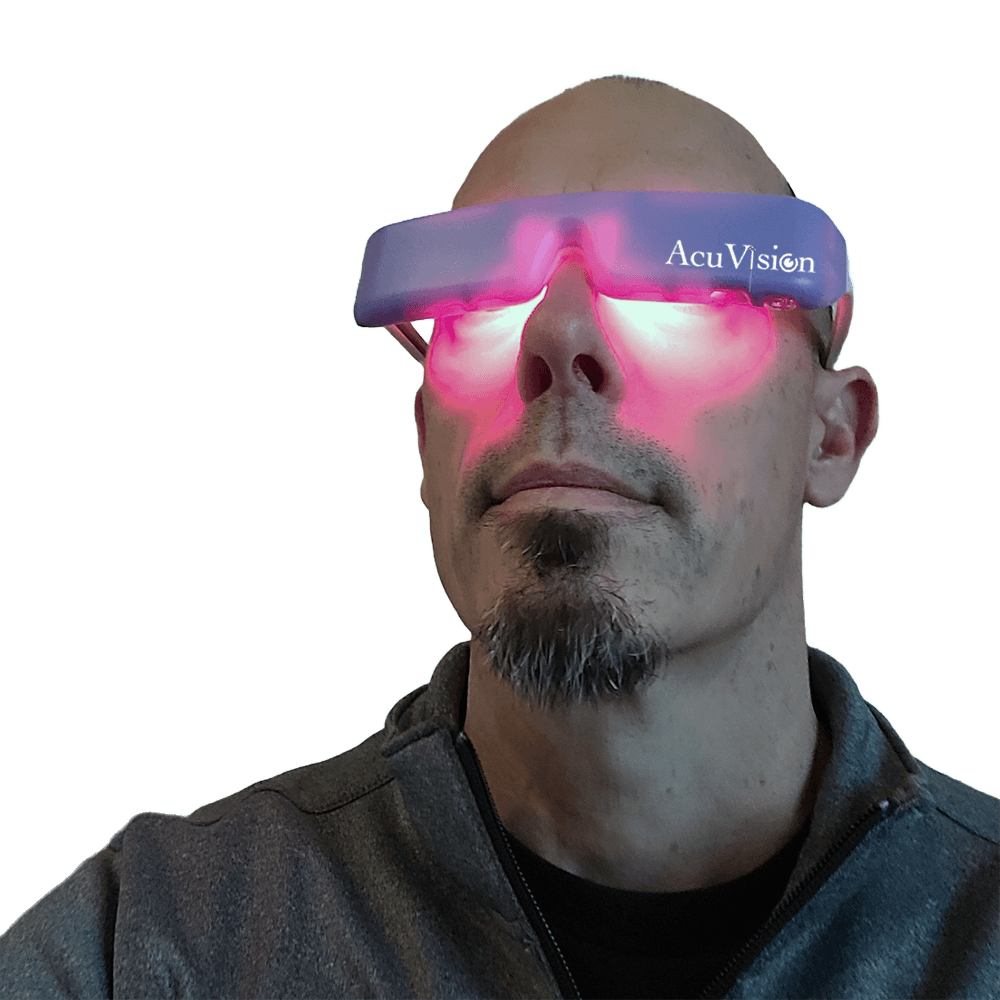
Acu-Red is capable 670nm hardware at a higher price, around $300 to $400. The device itself is solid, but it is sold with broader claims than the evidence supports, so we rate the hardware while flagging the marketing. Read our full assessment before buying.
Check price at Eye Health Institute See the full review
If you want dry-eye support or more wavelengths, a full-face mask may suit you better than glasses; the buying guide compares both formats side by side.
Are red light therapy glasses safe?
Used as intended, eye-specific 670nm glasses have a good safety record, and a review of ocular photobiomodulation found no adverse effects at typical therapeutic doses (Gaspari et al., 2024). The capped, timed dose of a purpose-built pair is a feature, not a limitation.
The risks come from misuse: substituting a high-power skin panel, exceeding the session time, or using a device despite a relevant condition. If you have active cancer in the area, take photosensitizing medication, have photosensitive epilepsy, or have a serious retinal condition, talk to a doctor first. Our eye-safety guide covers the details.
Frequently asked questions
Do red light therapy glasses work?
The wavelength they use is supported by research, including a study where 670nm light improved contrast sensitivity in older eyes (Shinhmar et al., 2021), but the specific glasses are rarely tested in their own trials. Treat them as research-aligned support, not a proven cure.
What wavelength should red light therapy glasses use?
Look for 670nm red, the most studied wavelength for the retina, sometimes paired with near-infrared around 810nm. The wavelength matters more than the brand.
Are glasses better than a red light mask?
They are different tools. Glasses deliver a focused 670nm dose and are cheaper; masks tend to add wavelengths and warmth, which suits dry eye. Our buying guide compares the formats.
Can I use a red light panel instead of glasses?
No. Skin and body panels deliver an uncontrolled, high dose not meant for the eyes, which is unsafe to look toward. Use an eye-specific device with a capped dose (Huang et al., 2009).
Are red light therapy glasses safe?
Used as directed, yes, with no adverse effects reported at typical doses (Gaspari et al., 2024). Stay within the session time and check with a doctor if you have a relevant condition.
The bottom line
Red light therapy glasses and goggles are the simplest, most affordable way to deliver studied 670nm light to the eyes, and they are a reasonable, research-aligned choice if retinal support is your goal, as long as you treat them as support rather than a cure. If you want dry-eye relief or more wavelengths, a mask may fit better. Compare every option, with full scored reviews of the glasses here, in our eye-device buying guide, and read the science in our 670nm explainer.
This guide is an educational review of published evidence and manufacturer data. It is not medical advice and does not create a doctor-patient relationship. Always talk to a qualified eye-care professional before starting any light-based therapy.
More from the Institute
 Insufficient
Does Red Light Therapy Help Eye Floaters?
There is no good evidence that red light therapy treats eye floaters. Here is why, what floaters actually are, when…
 Certified
Certification Report: Spectral Wavefront Device (Kyper Spectral Science Inc.)
The Institute reviewed the Spectral Wavefront optical device for effectiveness and safety. It met or exceeded our safety standards and…
 Likely helpful
Does Red Light Therapy Help Dry Eye Disease?
Dry eye disease has the strongest light-therapy evidence of any condition we review. What the trials show for IPL and…