Does Red Light Therapy Help Presbyopia?
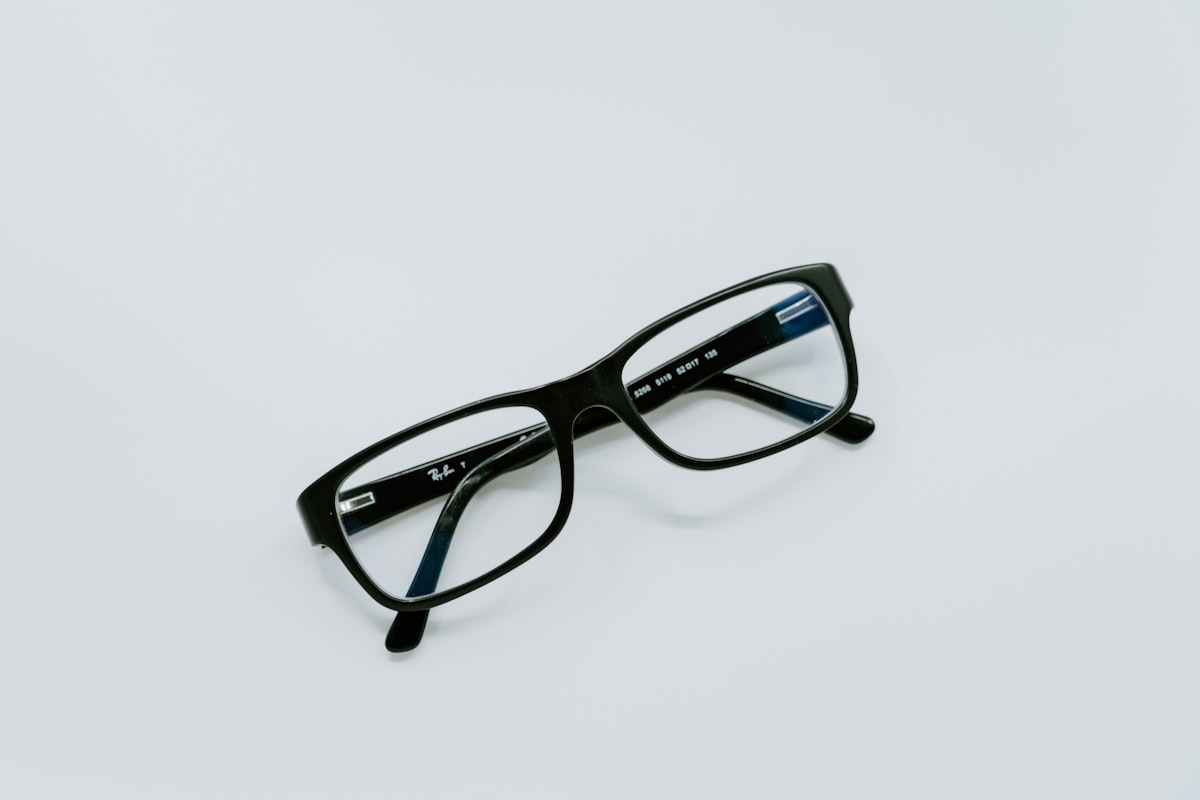
Red light therapy cannot reverse presbyopia, the age-related stiffening of the lens that makes near focus harder after 40, and we grade it Insufficient for this purpose. Presbyopia is a mechanical change in the lens and the muscles that flex it, not a problem light therapy is shown to fix. There is one honest piece of nuance, which is that red light research has measured improvements in visual function like contrast in older eyes, but that is not the same as restoring the ability to focus up close. This review separates the two carefully.
It is an evidence summary, not medical advice. We sell no hardware and grade the evidence as we find it.
Quick verdict
No evidence shows red light therapy reverses presbyopia or restores near focus, and the mechanism does not support it, so we grade it Insufficient for presbyopia itself. The lens stiffening behind presbyopia is mechanical, and reading glasses, contacts, or lens-based procedures remain the proven answers. Separately, red light has shown effects on other visual functions in aging eyes, but that is a different claim and does not translate into focusing power.
What is presbyopia?
Presbyopia is the gradual loss of the eye’s ability to focus on near objects, which is why most people need reading glasses sometime after their early forties. It happens because the lens inside the eye becomes less flexible with age, and the muscle that changes the lens shape becomes less effective, so the eye can no longer adjust its focus for close work (National Eye Institute).
It is a normal, universal part of aging, not a disease. The key detail for this question is that presbyopia is a mechanical problem of lens flexibility and focusing, not a problem of cells lacking energy.
Why red light therapy does not reverse presbyopia
Red light therapy works through photobiomodulation, supporting cellular energy when mitochondria absorb red and near-infrared light (Gaspari et al., 2024). That can matter for cells that are stressed or aging, which is why light therapy is studied in several eye conditions.
Presbyopia is not that kind of problem. The lens loses its elasticity through structural protein changes, and no amount of cellular support makes a stiffened lens flexible again. There is no published trial showing red light therapy restores near focus, and no plausible pathway by which it would reverse the lens stiffening. Claims that it cures presbyopia are not supported.
The honest nuance on aging eyes
Here is where care matters, because red light research in older eyes is real and easy to misread. A study found a single 670nm exposure improved colour-contrast sensitivity in people over 40 (Shinhmar et al., 2021). That is a genuine finding about one aspect of vision, and it is the kind of result that marketing stretches into a presbyopia claim.
But contrast sensitivity and the power to focus up close are different things. Improving how well an older retina detects contrast does not give the lens back its flexibility, and the study did not measure or claim a change in near focus. So the honest position is that red light may influence some visual functions in aging eyes while doing nothing for the specific mechanical failure that defines presbyopia.
What actually helps with presbyopia
The proven options correct or work around the lens problem rather than trying to reverse it. Reading glasses, bifocals or progressive lenses, and multifocal contact lenses are the everyday answers, and lens-based surgical options exist for those who want them (National Eye Institute). An eye exam is the right step if near vision is becoming a daily struggle, both to update your correction and to rule out other causes.
What about eye exercises, drops, or supplements?
Presbyopia attracts a steady stream of non-surgical promises beyond light therapy, including eye exercises, focus-training apps, and various drops and supplements. The same logic applies to all of them: none has been shown to restore the lens flexibility that age takes away, because that mechanical change is not something exercise or nutrition reverses. Some approaches can help you cope, and an eye-care professional can explain the genuine newer options, but managing presbyopia is not the same as curing it (National Eye Institute).
The practical takeaway is to be skeptical of anything claiming to eliminate your need for reading correction. The proven tools correct the focus you have lost rather than rebuild the lens, and that distinction is the quickest way to tell a real option from a marketing claim.
Frequently asked questions
Can red light therapy cure presbyopia?
No. There is no evidence it restores near focus, and the mechanism does not fit, because presbyopia is mechanical lens stiffening rather than a cellular-energy problem that photobiomodulation acts on (Gaspari et al., 2024).
But does not red light help older eyes?
It has shown effects on some visual functions, such as improved contrast sensitivity in people over 40 (Shinhmar et al., 2021). That is not the same as restoring the ability to focus up close, which presbyopia takes away.
What is the proven fix for presbyopia?
Reading glasses, progressive lenses, multifocal contacts, and lens-based surgical options correct or work around the lens stiffening (National Eye Institute). None of these reverse it, because that is not currently possible.
Why is red light marketed for presbyopia?
Because real research in aging eyes gets stretched beyond what it showed. A contrast-sensitivity finding becomes a focusing claim, even though the study measured neither near vision nor lens flexibility.
Does red light therapy help any eye condition?
Yes, several. It has supportive evidence for dry eye and is studied for retinal conditions, which we cover in our research reviews. Presbyopia is not one of them.
The bottom line
Red light therapy does not reverse presbyopia, and we grade it Insufficient, because the age-related stiffening of the lens is a mechanical change that light cannot undo. The honest nuance is that red light has shown effects on other visual functions in older eyes, but that is a separate claim from restoring near focus. Glasses, contacts, and lens procedures remain the proven answers. For the conditions where light therapy does have evidence, see our research reviews and our photobiomodulation for eye health overview.
This review is an educational summary of published evidence. It is not medical advice and does not create a doctor-patient relationship. Always talk to a qualified eye-care professional about changes in your vision.
More from the Institute
Best Red Light Therapy Eye Masks (2026)
The best red light therapy eye masks for under-eye skin: fine lines, crow's feet and dark circles. We rank four…
How to Get Rid of a Stye (and When to See a Doctor)
How to get rid of a stye fast and safely: the warm-compress routine that works, what to avoid, what causes…
Red Light Therapy for Eyes: Cost and Value (2026)
What red light therapy for eyes really costs, from $95 cosmetic masks to clinic courses, what drives the price, and…