Photobiomodulation for Eye Health: An Evidence Overview
Photobiomodulation for eye health is the use of red and near-infrared light to support the eye’s tissues, and the honest summary of the field is that the evidence is real but uneven. For some conditions there are device-specific trials and even an FDA authorization; for others there is a plausible mechanism and little more. This overview maps the whole landscape so you can see, at a glance, where red light therapy for the eyes is well supported and where it is still early.
It is the umbrella page for our condition-by-condition research reviews, each of which goes deeper with an explicit verdict. We sell no hardware and grade the evidence as we find it.
What is photobiomodulation for eye health?
Photobiomodulation, or PBM, delivers wavelengths of red and near-infrared light that the mitochondria in cells absorb, supporting their energy production rather than heating or damaging tissue (Gaspari et al., 2024). Applied to the eye, the rationale is that retinal and ocular-surface cells are metabolically demanding and may benefit from that support, especially as they age.
In practice, ocular PBM spans a wide range, from clinic systems with regulatory authorization for a specific disease to at-home wellness masks and glasses. The science underneath is shared; what differs by condition is how much evidence exists and whether it comes from a trial of a specific device. For the mechanism in detail, see our photobiomodulation explainer.
Which eye conditions is it studied for?
The evidence varies sharply by condition, which is why we grade each one separately rather than making a blanket claim. Here is the landscape in brief.
Dry eye and meibomian gland dysfunction have the most consistent home-device evidence. A prospective study of home low-level light therapy reported improvements in dry-eye symptoms, tear break-up time, and tear volume (Giannaccare et al., 2022). We rate this the strongest at-home lane; see the dry eye review.
Age-related macular degeneration has the deepest clinical evidence, but for a clinic device. The LIGHTSITE III trial of the Valeda system reported improved visual acuity in dry AMD (Boyer et al., 2024), and the FDA authorized that device in 2024. Read the macular degeneration review.
Glaucoma is an emerging, mechanism-led area, where the interest is in neuroprotection of retinal ganglion cells rather than lowering eye pressure, and a review of ocular PBM discusses this neuroprotective rationale (Gaspari et al., 2024). The evidence is early; see the glaucoma review.
Diabetic retinopathy is a cautionary tale. A large trial of overnight light for diabetic macular oedema, the CLEOPATRA study, found no benefit (Lancet Diabetes & Endocrinology, 2018). We keep that null result front and centre in the diabetic retinopathy review.
Myopia in children is studied with repeated low-level red light, which has shown slowed progression in trials but carries retinal-safety questions that keep clinicians cautious (Gaspari et al., 2024). See the safety-flagged myopia review.
Eyelid and surface conditions are a related cluster, because the gland dysfunction behind most dry eye also drives blepharitis and ocular rosacea, and the same warmth-and-light approach is studied across all three. We cover them in our meibomian gland dysfunction review, blepharitis review, and ocular rosacea review. General screen-related eye strain sits here too, though its evidence is thin.
What photobiomodulation does not help
Being honest about the limits matters as much as the promise. Red light therapy acts on cell energy and skin quality, so it does nothing for problems that are structural or optical rather than cellular. It does not clear eye floaters, reverse cataracts, or fix the lens stiffening behind presbyopia, and it will not sharpen eyesight in the everyday sense of reducing a prescription. Treating any of these as a light-therapy target wastes money on the wrong mechanism.
How strong is the evidence overall?
The fairest summary is that ocular PBM is promising and genuinely supported for a few uses, while remaining early or unproven for many others. The strongest cases are dry eye, where home devices have supportive data, and dry AMD, where a clinic device has a pivotal trial and regulatory authorization. The weakest are the conditions resting only on the general mechanism, and there are clear negative results, like CLEOPATRA, that honest coverage cannot ignore.
A recurring theme is the gap between wavelength evidence and device evidence. A great deal of consumer marketing borrows the credibility of studies that used a research light source or a different device. The 670nm contrast-sensitivity work, for example, is real and encouraging (Shinhmar et al., 2021), but it does not transfer automatically to every mask that emits 670nm.
At-home versus clinic
The two tiers serve different needs. At-home devices are one-time purchases for everyday support, dry eye chief among them, delivering studied wavelengths within a capped dose. Clinic systems are supervised, often have a trial behind the specific device, and are the route for a serious diagnosed condition like dry AMD. Neither replaces standard eye care. Our device buying guide and Valeda comparison lay out the trade-offs.
Is it safe?
Used as intended, ocular PBM has a good safety record, and a review found no adverse effects at typical therapeutic doses, partly because red and near-infrared light avoids the photochemical damage pathway of blue light (Gaspari et al., 2024). The main caveat is dose, since the effect is biphasic, and certain people should seek medical advice first. Our eye-safety guide covers the contraindications.
Frequently asked questions
What eye conditions can photobiomodulation help?
It is best supported for dry eye and meibomian gland dysfunction at home (Giannaccare et al., 2022) and for dry AMD via a clinic device. It is studied but less proven for glaucoma, diabetic retinopathy, and myopia, which we cover individually in our research reviews.
Is photobiomodulation for eyes proven or experimental?
Both, depending on the condition. Dry eye and dry AMD have real supporting trials, while several other uses rest on mechanism alone, and at least one large trial found no benefit for diabetic macular oedema (Lancet Diabetes & Endocrinology, 2018).
Does an at-home device work as well as a clinic one?
Not necessarily. Clinic systems like Valeda have device-specific trials and regulatory authorization, while home devices usually rely on the general wavelength evidence (Shinhmar et al., 2021). For a diagnosed disease, the clinic route is better evidenced.
Is light therapy safe for the retina?
Red and near-infrared PBM has a good safety record at typical doses (Gaspari et al., 2024), but dose and condition matter, and some uses such as red light for childhood myopia carry specific safety questions. See our safety guide.
The bottom line
Photobiomodulation for eye health is a real and promising field with a few well-supported uses and many early ones. Dry eye and dry AMD are where the evidence is strongest; glaucoma, diabetic retinopathy, and myopia range from emerging to cautionary. The single most useful habit is to separate wavelength evidence from device evidence and to read each condition on its own merits. Start with our condition-by-condition research reviews, and when you are choosing a device, our eye-device buying guide.
This guide is educational and not medical advice. It does not create a doctor-patient relationship. Always talk to a qualified eye-care professional before starting any light-based therapy.
More from the Institute
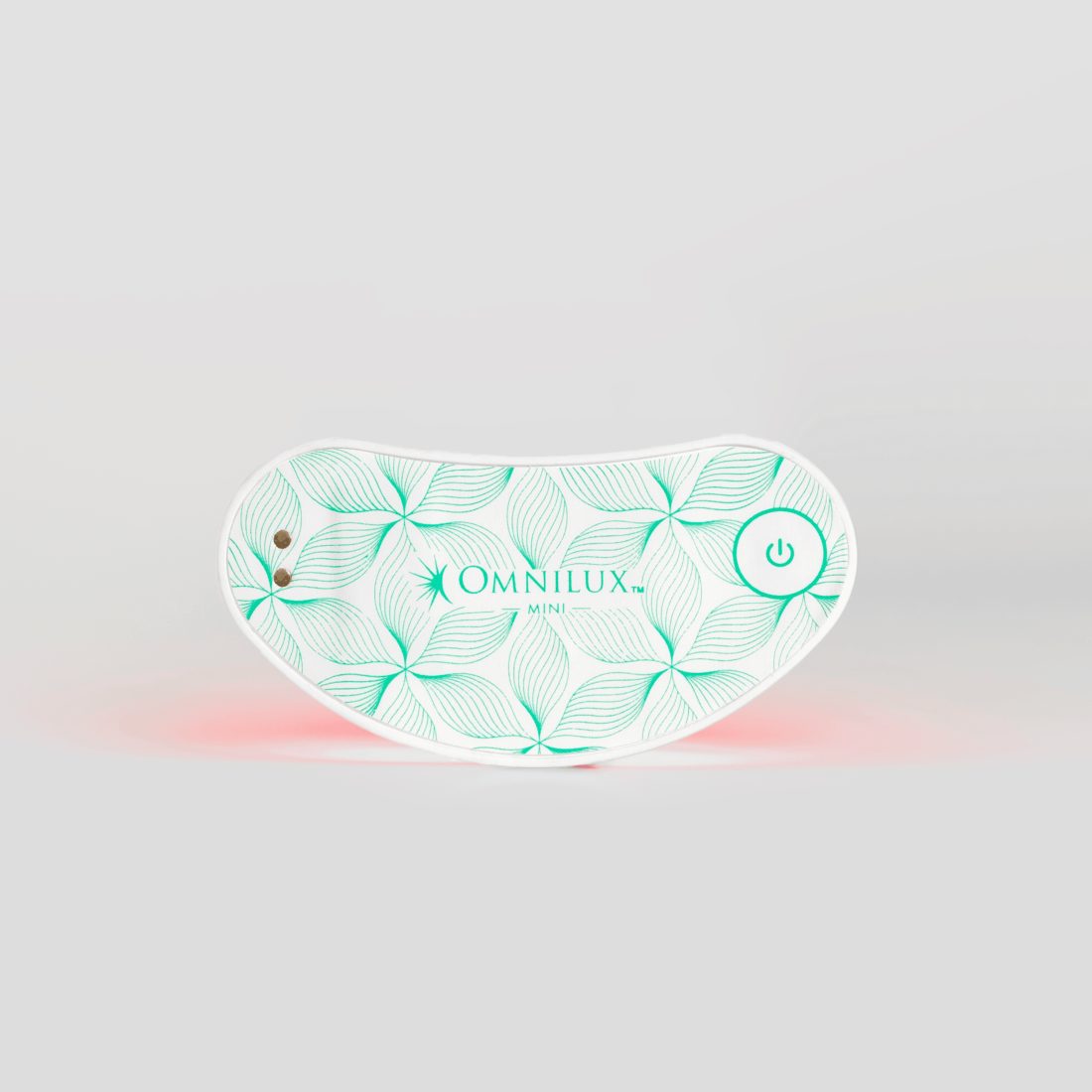
Best Red Light Therapy Eye Masks (2026)
The best red light therapy eye masks for under-eye skin: fine lines, crow's feet and dark circles. We rank four…
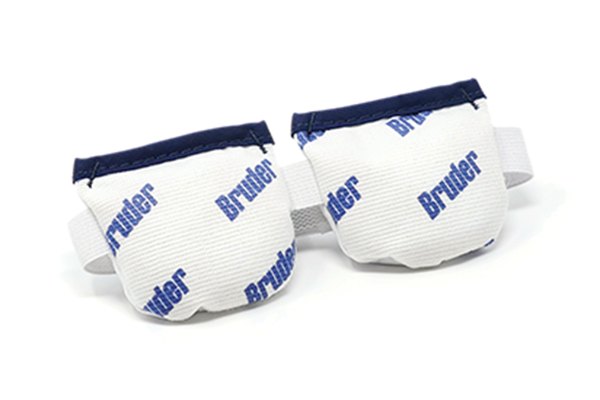
Best Heated Eye Masks for Dry Eyes (2026)
The best heated eye masks for dry eyes and blocked oil glands, with an honest look at why warm compresses…
 Insufficient
Does Red Light Therapy Help Cataracts?
There is no evidence red light therapy treats or reverses cataracts. Here is why, what a cataract actually is, the…