Does Red Light Therapy Improve Eyesight?
Red light therapy will not sharpen blurry vision or reduce your need for glasses, because it does nothing about the focusing errors that make vision blurry. What the research does show is narrower and more interesting: deep-red 670nm light may support specific functions of the aging retina, such as colour-contrast sensitivity. So the honest answer to “does red light therapy improve eyesight” is no for the everyday meaning of sharper vision, and a qualified maybe for certain aspects of how aging eyes perform. This guide separates the two.
We sell no hardware and grade the evidence as we find it. For the devices and the deeper science, see our eye-device buying guide and 670nm explainer.
Quick answer
No, red light therapy does not improve eyesight in the sense most people mean, sharper focus or a weaker prescription, because it cannot change the shape of the eye or lens that causes blur. It may, however, support aspects of retinal function in older eyes: a single 670nm exposure improved colour-contrast sensitivity in people over 40 in a controlled study (Shinhmar et al., 2021). That is a real but specific finding, not a vision upgrade.
What “improving eyesight” actually means
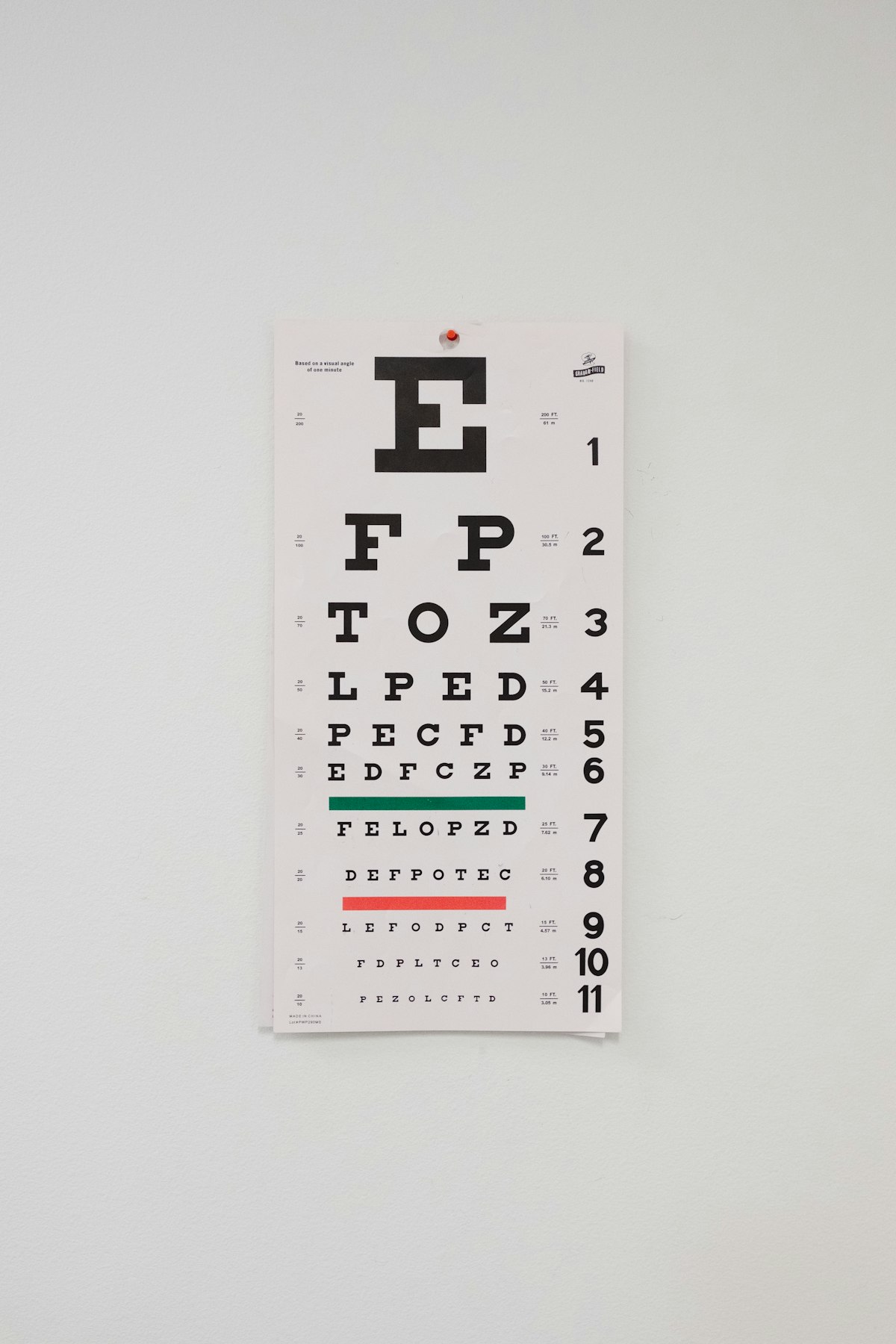
The confusion comes from “eyesight” meaning two different things. The everyday meaning is sharpness, whether you can read the eye chart without glasses, which depends on how light focuses onto the retina. Blurriness from nearsightedness, farsightedness, astigmatism, or the age-related stiffening of presbyopia is a focusing problem, fixed by glasses, contacts, or surgery.
The other meaning is how well the retina itself functions, including things like contrast sensitivity and low-light performance, which decline with age as retinal cells lose efficiency. Red light therapy acts on cells, not on focus, so it has nothing to offer the first meaning and only potentially the second.
What the research shows
The interest in red light for vision comes from work on the aging retina. Researchers at University College London found that a brief exposure to 670nm light improved colour-contrast sensitivity in older eyes, with no effect in younger ones whose retinal cells had not yet declined (Shinhmar et al., 2021). The age-dependence fits the proposed mechanism.
That mechanism is photobiomodulation: red and near-infrared light is absorbed by the mitochondria that power retinal cells, supporting their energy production (Gaspari et al., 2024). The retina is one of the most energy-hungry tissues in the body, so a wavelength that nudges tired retinal mitochondria is plausible for supporting function. This is encouraging early science, not proof of better eyesight, and it is about specific visual functions rather than overall sharpness.
What red light therapy will not do for your vision
It is worth being blunt about the limits so you do not waste money on the wrong expectation. Red light therapy will not reduce your glasses prescription, will not correct nearsightedness, farsightedness, or astigmatism, and will not reverse presbyopia or replace reading glasses. It is also not a substitute for cataract surgery or for treatment of any eye disease.
Anyone selling red light as a way to “fix your vision” or “throw away your glasses” is overstating the evidence badly. The honest framing is that red light may support certain aspects of aging retinal function, while the things that actually make vision blurry are unchanged by it.
Who might consider it, and with what expectations
The reasonable candidate is an older adult interested in supporting retinal aging who understands they are buying research-aligned support, not a vision correction. The realistic expectation is a possible effect on functions like contrast in aging eyes, built over consistent use, not a noticeable jump in how sharp the world looks.
If your goal is simply to see more clearly day to day, an up-to-date glasses or contact prescription and a proper eye exam will do far more than any light device. If retinal support is genuinely your interest, our eye-device buying guide covers the options and their honest evidence.
Is it safe?
Used as intended, eye-specific red light has a good safety record, with a review of ocular photobiomodulation finding no adverse effects at typical therapeutic doses (Gaspari et al., 2024). As with all light therapy, the dose is capped for a reason and more is not better, so stay within the device’s stated session time and frequency. Our eye-safety guide covers the contraindications.
Frequently asked questions
Can red light therapy improve my eyesight?
Not in the everyday sense of sharper vision or a weaker prescription, because it does not change how the eye focuses. It may support specific aging-retina functions like contrast sensitivity (Shinhmar et al., 2021), which is a narrower claim.
Can red light therapy reduce my need for glasses?
No. Glasses correct focusing errors that red light does not affect. There is no evidence it lowers a prescription or replaces corrective lenses.
Does red light therapy help aging eyes?
Possibly, for certain functions. Research found 670nm light improved contrast sensitivity in people over 40, fitting a mechanism of supporting tired retinal mitochondria (Gaspari et al., 2024). It is early evidence about specific functions, not overall sharpness.
Will red light therapy fix blurry vision?
No. Blurry vision is usually a focusing problem corrected by glasses, contacts, or surgery, and red light does not address it. Get an eye exam to find the cause of new blur.
Is red light therapy for the eyes safe?
Used as directed, yes, with no adverse effects reported at typical doses (Gaspari et al., 2024). Stay within the session limits and check with a doctor if you have a relevant condition.
The bottom line
Red light therapy does not improve eyesight in the way most people hope, since it cannot fix the focusing errors behind blurry vision or replace glasses. Its real, evidence-based promise is narrower: 670nm light may support specific functions of the aging retina, such as contrast sensitivity. Treat it as research-aligned support for retinal aging, not a vision cure, and rely on an eye exam and correct lenses for everyday sharpness. For devices and the science, see our eye-device buying guide and research reviews.
This guide is an educational review of published evidence. It is not medical advice and does not create a doctor-patient relationship. Always talk to a qualified eye-care professional about your vision.
More from the Institute
 Likely helpful
Does Red Light Therapy Help Meibomian Gland Dysfunction?
The evidence on red light therapy for meibomian gland dysfunction (MGD): what trials show, how it compares to IPL, how…
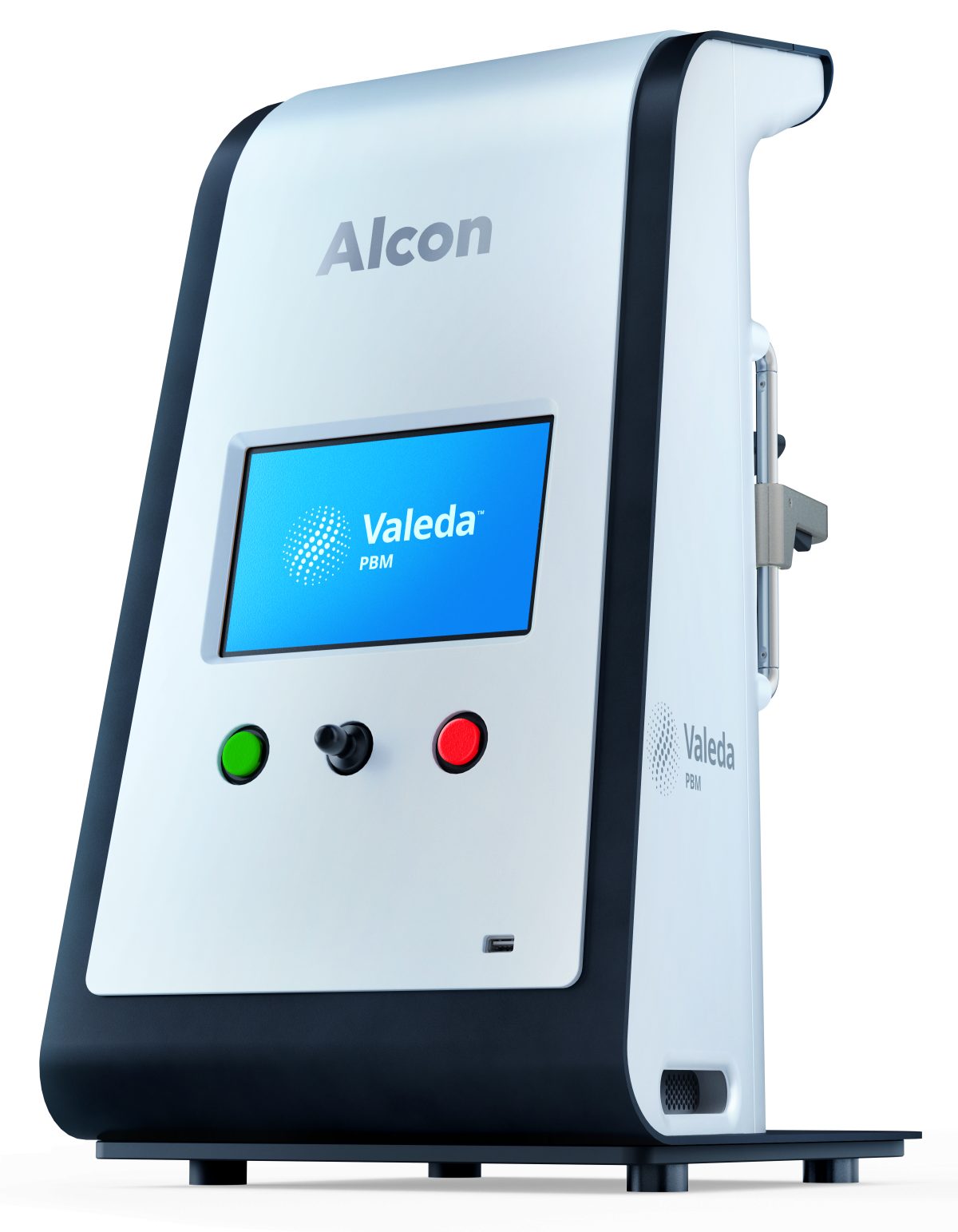
Valeda vs Other Red Light Eye Devices (2026)
How the FDA-authorized Valeda clinic system compares to at-home red light eye masks: wavelengths, evidence, cost, and access, and which…
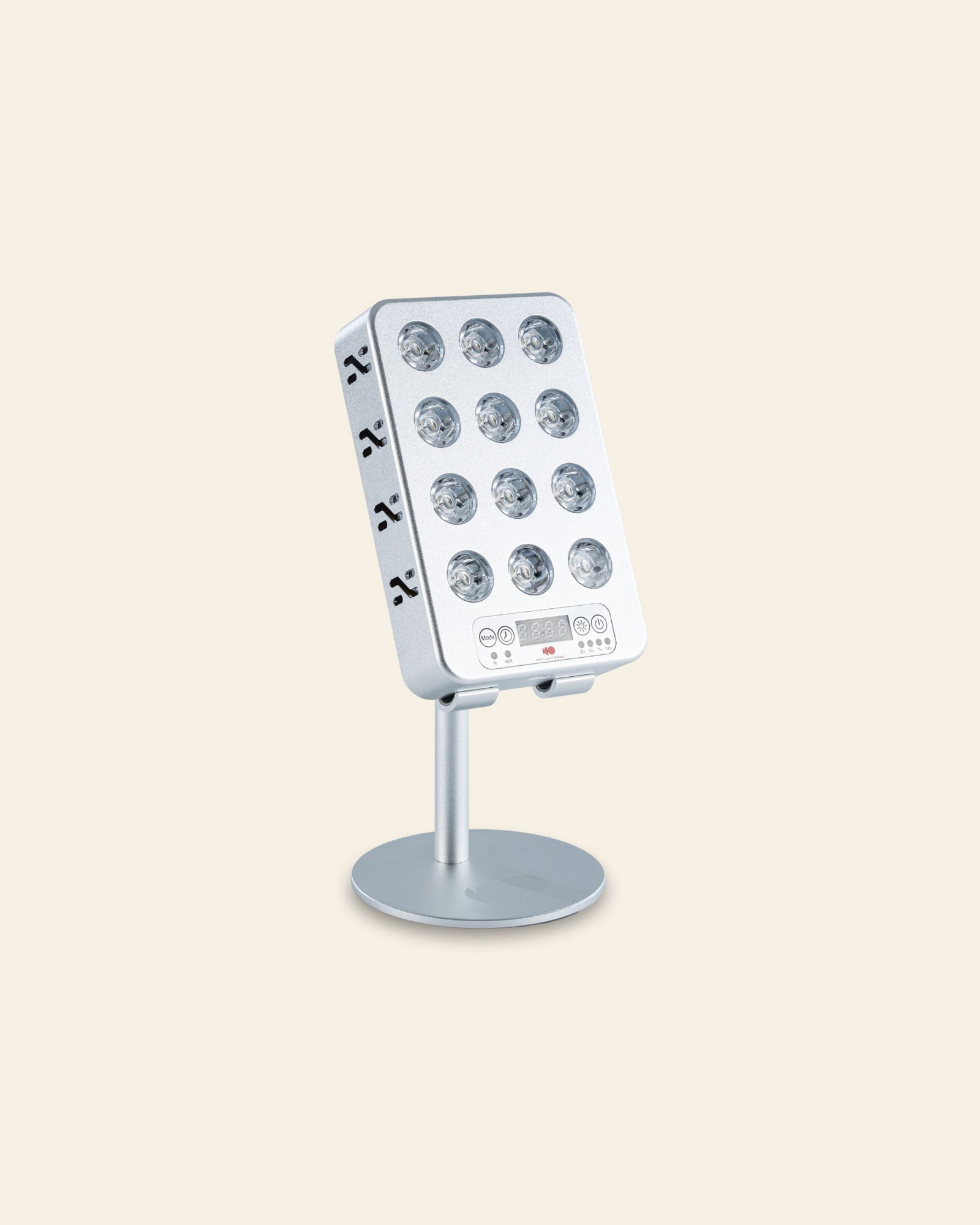
Best Red Light Therapy Devices for Eyes (2026)
An independent, evidence-based comparison of 13 red light therapy devices for the eyes, from at-home masks to clinic systems, with…