How to Get Rid of a Stye (and When to See a Doctor)
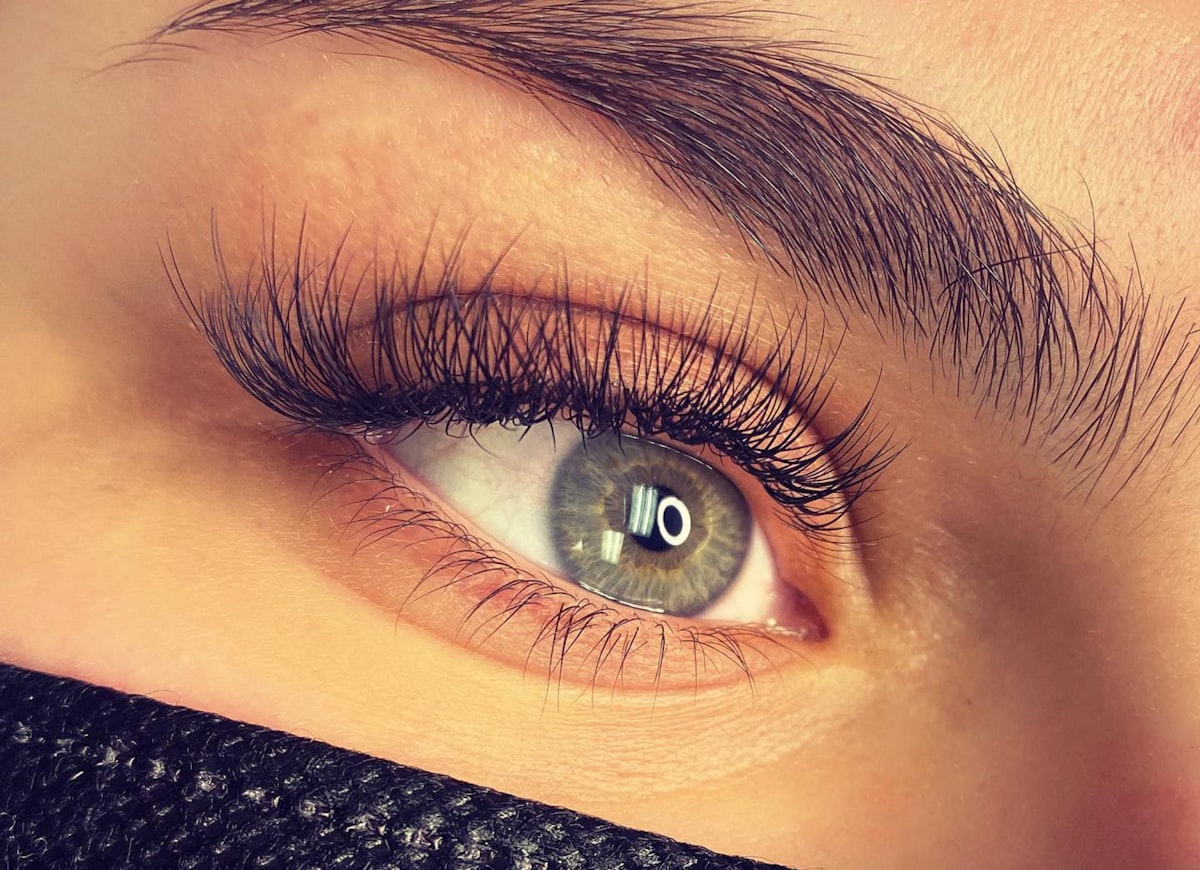
Most styes clear up on their own within a week or two, and the single most effective thing you can do to speed it along is apply a warm compress several times a day. A stye is a small, painful red bump on the eyelid caused by a blocked, infected oil gland, and the warmth helps it drain. What you should not do is squeeze it. This guide covers the routine that works, what causes styes, how they differ from a chalazion, and the specific signs that mean it is time to see an eye doctor.
This is general educational information, not medical advice, and a stye that is worsening or not improving deserves a professional look. We sell no hardware.
How to get rid of a stye
The mainstay of stye treatment is a warm compress, and doing it properly matters. Soak a clean washcloth in warm water, hold it gently against the closed eyelid for about 10 to 15 minutes, and repeat three to five times a day (American Academy of Ophthalmology). The heat softens the hardened oil blocking the gland so it can drain, which is what resolves the stye.
A gentle lid massage during or after the compress helps. Lightly massaging the eyelid mobilizes the softened oil and encourages the gland to clear (American Academy of Ophthalmology). Beyond that, keep the area clean, skip eye makeup and contact lenses until it heals, and let it drain on its own.
The one rule that matters most is not to pop or squeeze a stye. Squeezing can spread the infection into the surrounding eyelid and make things worse, so let the warm compress do the work instead.
What is a stye?
A stye, also spelled sty, is an infection of one of the tiny glands along the edge of the eyelid, usually at the base of an eyelash. It shows up as a tender red bump, often with a small whitehead-like point, and the eyelid can feel swollen, gritty, or sore. Most are caused by ordinary skin bacteria getting into a gland.
Styes are extremely common and usually harmless. They tend to come to a head, drain, and heal within a week or two, which is why home care is the first step rather than a rush to the doctor for an ordinary one.
What causes styes?
Styes happen when an eyelid gland becomes blocked and infected, and a few things make that more likely. Touching or rubbing the eyes with unwashed hands, leaving eye makeup on overnight or using old makeup, and sleeping in contact lenses all raise the risk by introducing bacteria or blocking the glands.
There is also a strong link to chronic lid conditions. People with blepharitis or meibomian gland dysfunction, where the eyelid oil glands are inflamed or clogged, get styes and chalazia more often, because the underlying gland problem is already there. That connection matters for prevention, and we cover it in our blepharitis review and meibomian gland dysfunction review.
Stye versus chalazion: what’s the difference?
The two are often confused because both are eyelid bumps, but they differ in a useful way. A stye is an acute, painful, infected gland near the lash line. A chalazion is usually a larger, firmer, and typically painless bump further from the lid edge, caused by a blocked oil gland without an active infection, and it sometimes develops after a stye settles (American Academy of Ophthalmology).
The home treatment is similar for both, warm compresses and gentle massage, but a chalazion can be more stubborn and slower to clear. If a painless lump lingers for weeks, that is more likely a chalazion and worth a professional opinion.
When to see a doctor
Home care handles most styes, but some situations call for a professional. See an eye doctor if the stye does not start to improve after a couple of days of warm compresses, if it has not resolved within three to four weeks, or if it is growing, very painful, or interfering with your vision or daily activities (American Academy of Ophthalmology).
Seek care more promptly if the redness or swelling spreads across the whole eyelid or into the cheek or face, which can signal a more serious infection. Recurrent styes are also worth a visit, because they often point to an underlying lid condition like blepharitis that is treatable.
How to prevent styes
If you get styes often, prevention is mostly about lid hygiene and gland health. Wash your hands before touching your eyes, remove eye makeup every night, replace old makeup, and avoid sleeping in contact lenses. A regular warm-compress routine keeps the eyelid oil glands flowing and is the same habit used to manage the chronic conditions behind recurrent styes.
For people whose styes keep coming back due to blocked glands, treating the underlying meibomian gland dysfunction is the real fix. That is where dedicated warm-compress devices and gland-clearing routines come in, covered in our heated eye mask guide.
Where light and heat therapy fit
The therapy that genuinely helps the glands behind styes and chalazia is heat, not a gadget claim. Consistent warmth softens and clears the blocked oil, which is why heated masks are used for the underlying gland dysfunction. For the chronic gland problem specifically, low-level light therapy also has supportive evidence in dry eye and meibomian gland dysfunction (Giannaccare et al., 2022), though for an individual acute stye the simple warm compress remains the first and best step.
In other words, treat the stye in front of you with warm compresses, and if styes keep returning, address the gland health underneath. Our MGD review covers that longer-term angle.
Frequently asked questions
How do you get rid of a stye fast?
Warm compresses are the fastest safe method: hold a clean, warm cloth to the closed eyelid for 10 to 15 minutes, three to five times a day, with a gentle massage (American Academy of Ophthalmology). Do not squeeze it.
How long does a stye last?
Most styes clear within one to two weeks with warm compresses. If it has not improved after a couple of days, or not resolved within three to four weeks, see an eye doctor.
Should I pop a stye?
No. Squeezing or popping a stye can spread the infection into the eyelid. Let it drain on its own with the help of warm compresses.
What is the difference between a stye and a chalazion?
A stye is an acute, painful, infected gland near the lash line; a chalazion is a usually painless, firmer blocked gland further from the edge that can follow a stye (American Academy of Ophthalmology). Both respond to warm compresses.
Why do I keep getting styes?
Recurrent styes often point to an underlying lid condition like blepharitis or meibomian gland dysfunction. Treating the gland health underneath, with lid hygiene and warmth, is the way to reduce them; see our blepharitis review.
When should I see a doctor about a stye?
If it does not improve in 48 hours of compresses, lasts beyond three to four weeks, grows or becomes very painful, affects your vision, or if redness spreads across the eyelid or into the face (American Academy of Ophthalmology).
The bottom line
To get rid of a stye, use warm compresses for 10 to 15 minutes several times a day with a gentle lid massage, keep the area clean, and resist the urge to squeeze it; most clear within a week or two. See an eye doctor if it is not improving, spreading, or recurring. If styes keep coming back, the real fix is treating the eyelid gland health underneath, which we cover in our heated eye mask guide and meibomian gland dysfunction review.
This guide is educational and not medical advice. It does not create a doctor-patient relationship. See a qualified eye-care professional for a stye that is worsening, persistent, or affecting your vision.
More from the Institute
Best Blue Light Glasses (2026): An Honest Buyer’s Guide
The best blue light glasses if you want a pair, chosen on lens and frame quality, not hype. First, the…
Photobiomodulation for Eye Health: An Evidence Overview
A clear-eyed overview of photobiomodulation for eye health: which eye conditions it is studied for, how strong the evidence is…
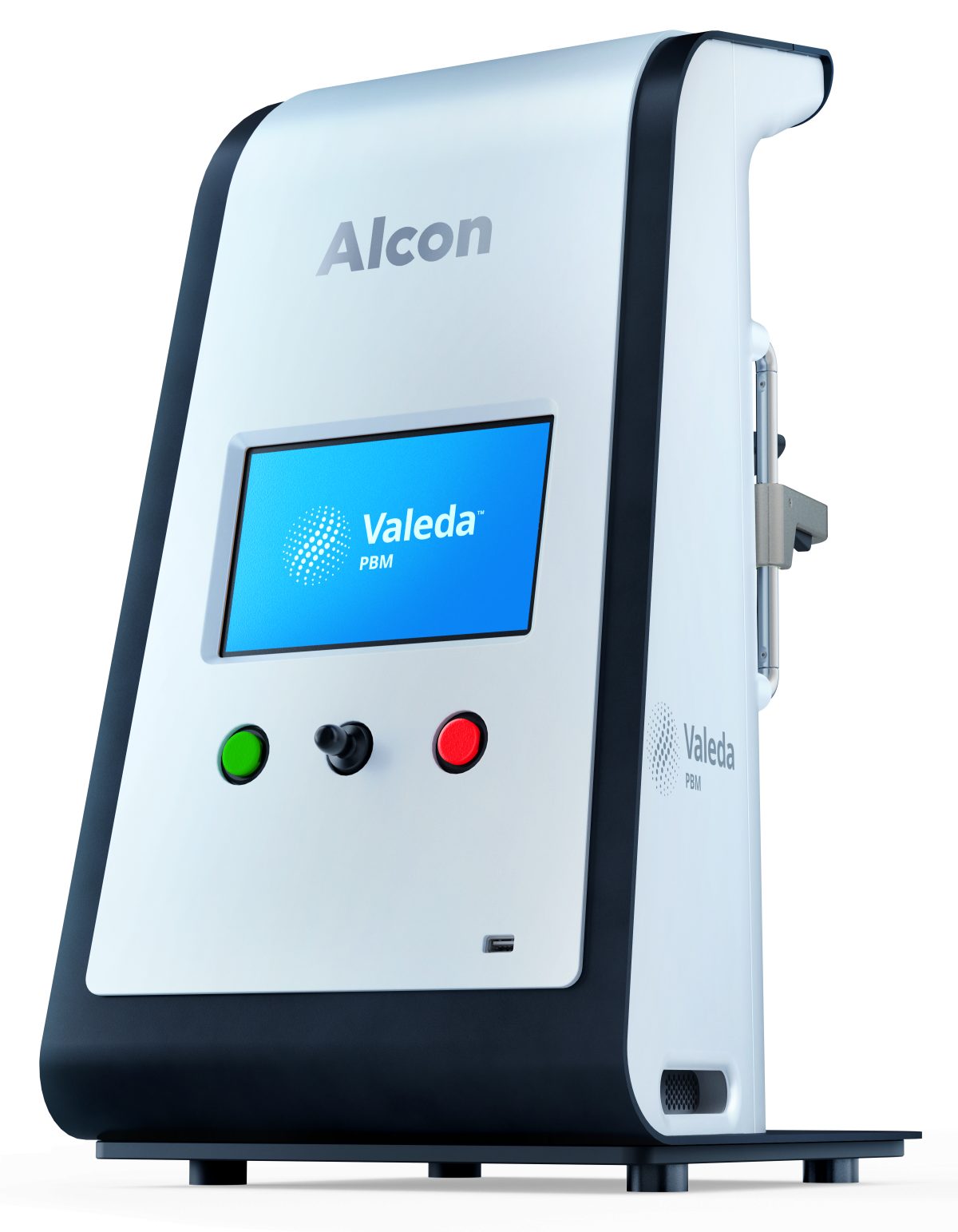
Valeda vs Other Red Light Eye Devices (2026)
How the FDA-authorized Valeda clinic system compares to at-home red light eye masks: wavelengths, evidence, cost, and access, and which…