Best Blue Light Glasses (2026): An Honest Buyer’s Guide
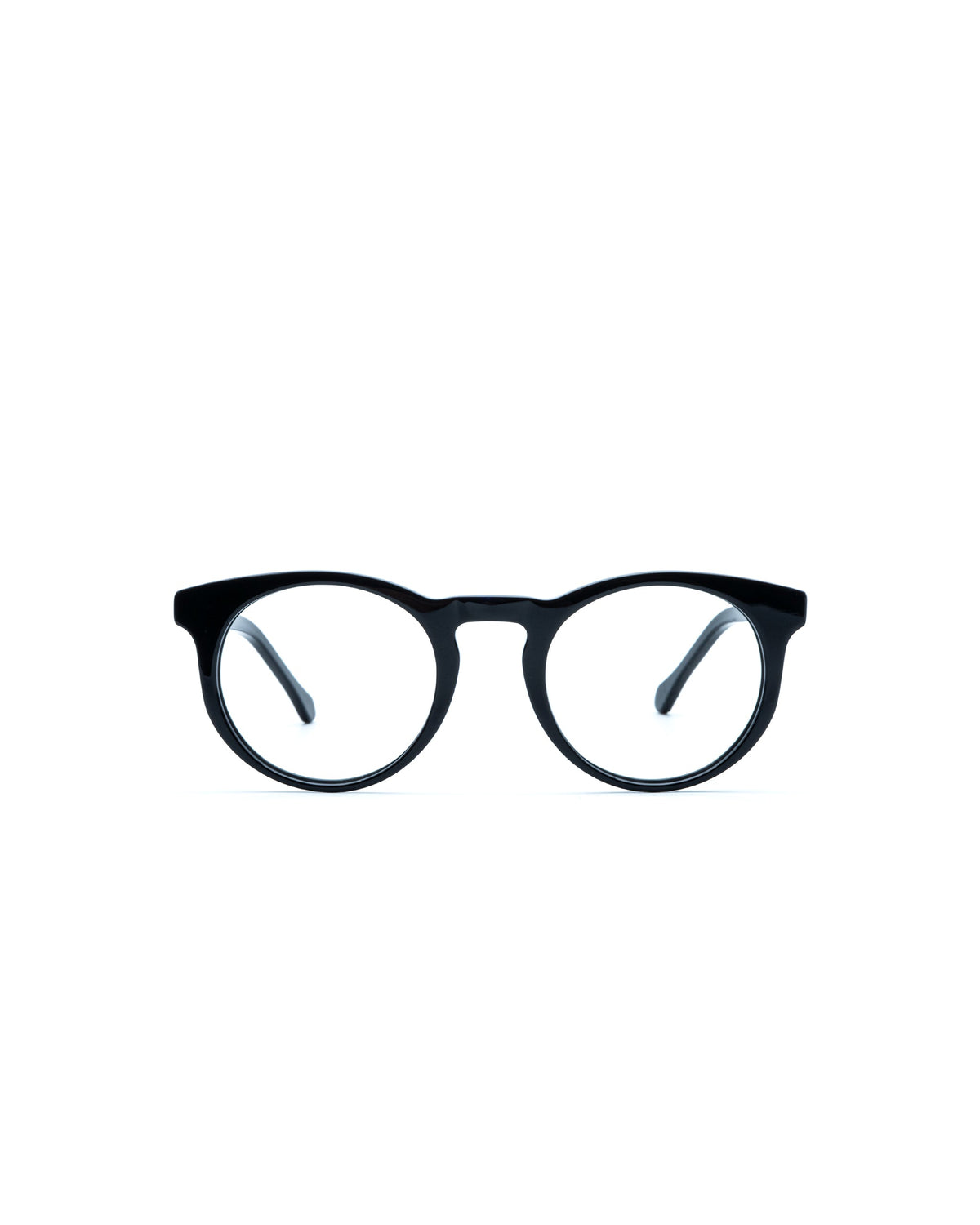
Before the picks, the honest part: the best evidence says blue light glasses probably do not reduce eye strain or improve sleep, and eye doctors do not recommend them for those reasons. So this is not a list of glasses that will fix tired eyes. It is a guide for people who, knowing that, still want a well-made pair, whether for the style, the comfort, or simply because they prefer how a light filter feels. Judged that way, on lens quality and build rather than blue-light marketing, some brands are clearly better than others.
We sell no eyewear and earn nothing from which pair you choose. If you want the full evidence picture first, read our do blue light glasses actually work guide. Product photos belong to the manufacturers and are shown for identification; they would be licensed or credited before any public launch.
Before you buy: what the evidence says
The largest review of the question, a 2023 Cochrane analysis of seventeen randomized trials, concluded that blue-light filtering lenses probably make little or no difference to visual fatigue, with inconclusive evidence for sleep and eye health (Singh et al., Cochrane, 2023).
The American Academy of Ophthalmology does not recommend blue light glasses either, because there is no good evidence that screen blue light harms the eyes or that the glasses relieve digital eye strain (American Academy of Ophthalmology).
So buy them for the right reasons. A good pair is comfortable, well-built, optically clear, and looks the way you want, and if it carries your prescription it does that job too. Buy them expecting cured eye strain or better sleep and you will be disappointed, because that is not what the evidence supports.
Our top picks at a glance
- Best overall quality: Felix Gray Turing, clean optics and a refined acetate frame.
- Best for gaming and heavy screen use: Gunnar Vertex, a wrap-friendly frame with an amber tint.
- Best value computer glasses: Pixel Buteo, solid build at a mid-range price.
- Best budget option: Zenni Blokz, a blue-light lens add-on from under twenty dollars.
- Best if you need a prescription: any optician or online retailer that puts a blue-light coating on real prescription lenses.
How to choose blue light glasses
Because the blue-light filtering itself is not where the value is, choose on the things that genuinely vary between pairs.
- Lens and optical quality: clear, distortion-free lenses with a good anti-reflective coating matter far more than how much blue light is filtered.
- Tint: clear lenses filter less and keep colours accurate; amber or yellow lenses filter more but tint your view, which suits gaming more than design work.
- Frame fit and comfort: you will wear these for hours, so fit, weight, and nose-pad comfort decide whether you actually use them.
- Prescription support: if you need correction, getting a blue-light coating added to real prescription lenses beats wearing non-prescription filters over contacts.
- Price and returns: prices range from under twenty dollars to well over a hundred, so match the spend to how much you value the frame and brand, and check the return policy.
Comparison: blue light glasses at a glance
| Glasses | Best for | Lens tint | Prescription | Price |
|---|---|---|---|---|
| Felix Gray Turing | Overall quality | Clear | Yes | ~$129 |
| Gunnar Vertex | Gaming, heavy screen use | Amber | Yes | ~$50 |
| Pixel Buteo | Value | Clear | Yes | ~$75 |
| Zenni Blokz | Budget | Clear or amber | Yes | from ~$17 |
| Warby Parker add-on | Designer frames | Clear | Yes | add-on to frames |
Prices are approximate (early 2026) and vary by frame and prescription; the links below go to each maker.
How we evaluated these glasses
We judged each pair on what actually differs between blue light glasses: optical clarity and coating quality, frame comfort and build, tint and how it affects colour, prescription availability, and price. We did not score them on blue-light filtering claims, because the evidence does not support those as a buying reason. Every pick is a reputable, widely available brand with real eyewear quality, and we say plainly where you are paying for a name.
1. Felix Gray Turing: Best overall quality
The Felix Gray Turing is the pick if you want blue light glasses that feel like proper eyewear rather than a gadget. The optics are clean, the anti-reflective coating is well done, and the acetate frame has a refined, understated look that works in an office. The lenses are clear rather than tinted, so colours stay accurate, which suits everyday and professional use.
Pros
- Clean optics and quality anti-reflective coating
- Refined frame that looks like real eyewear
- Clear lenses keep colours accurate
- Prescription available
Cons
- Among the pricier options
- No benefit claims the evidence supports
- Clear lens filters less than amber
It suits someone who wants a stylish, high-quality pair for daily wear and is buying on craftsmanship, not blue-light promises.
Best overall The most refined, best-made pair here.
Check price at Felix Gray Do they actually work?
2. Gunnar Vertex: Best for gaming and heavy screen use
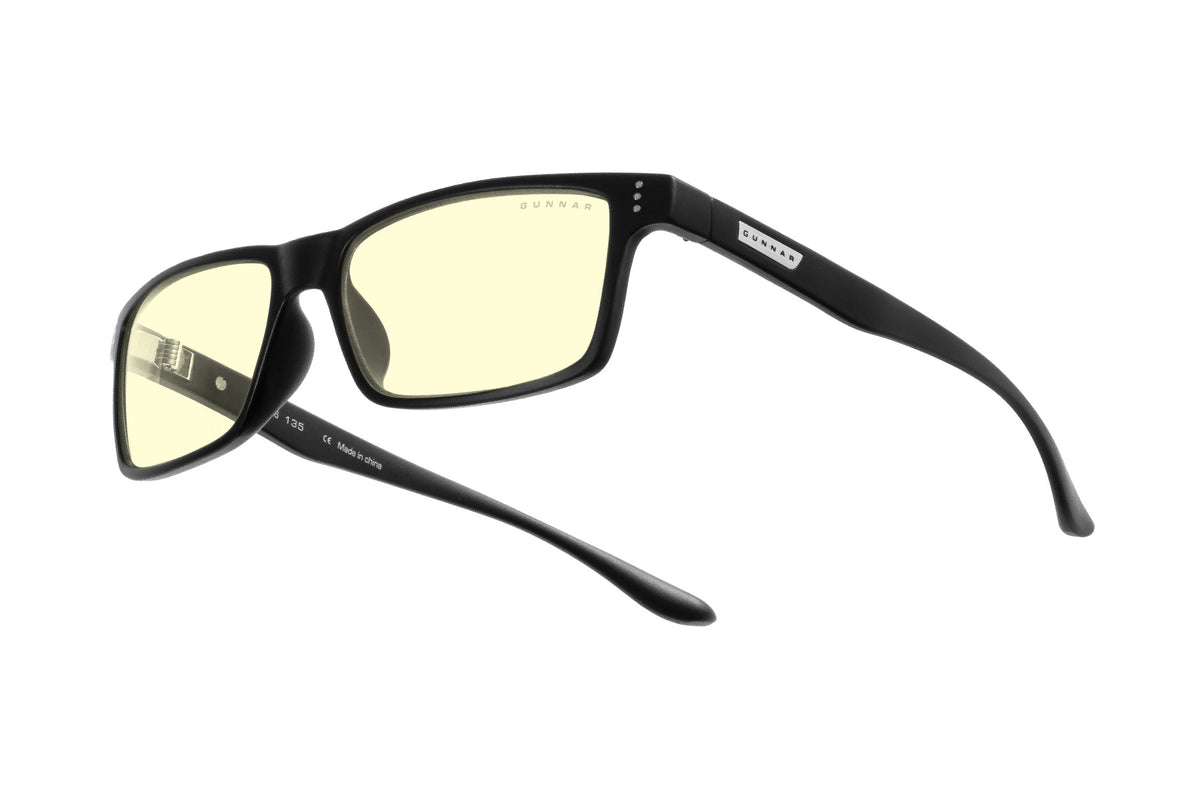
The Gunnar Vertex is built for long gaming and screen sessions, with a wrap-friendly frame and a signature amber tint that filters more of the blue end of the spectrum. The amber lenses noticeably warm your view, which many gamers like for comfort during marathon sessions, though it shifts colours enough that it is not ideal for colour-critical work. At around fifty dollars it is the most affordable of the dedicated brands here.
Pros
- Comfortable for long sessions
- Amber tint filters more blue
- Most affordable dedicated brand here
- Prescription available
Cons
- Amber tint shifts colours
- Gaming styling is not for everyone
- No evidence-backed benefit claims
It suits a gamer or heavy screen user who wants a comfortable, affordable frame and does not mind a warm tint.
Best for gaming Comfortable and affordable for long sessions.
Check price at Gunnar Do they actually work?
3. Pixel Buteo: Best value computer glasses
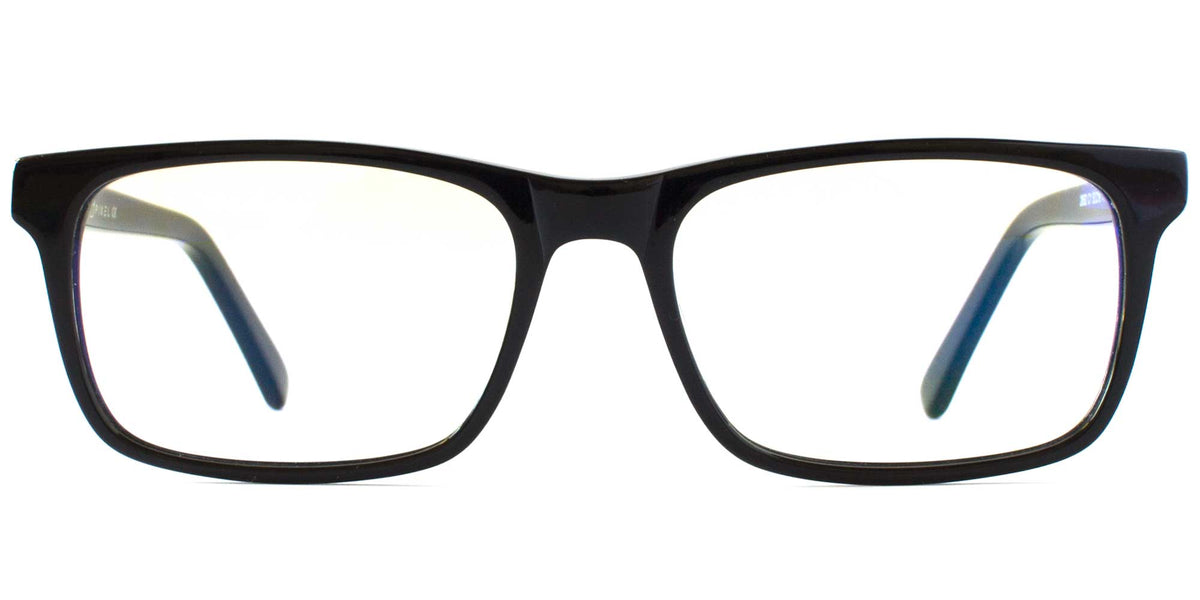
The Pixel Buteo lands between the budget and premium options, a solidly built square frame with clear lenses and an anti-glare coating at a mid-range price. The clear lenses keep colours accurate, the build feels better than its price suggests, and the classic shape suits most faces. It is the sensible middle choice if Felix Gray is more than you want to spend but the rock-bottom budget options feel too basic.
Pros
- Good build for the price
- Clear lenses keep colours accurate
- Classic shape suits most faces
- Prescription available
Cons
- Less brand cachet than premium picks
- Clear lens filters less than amber
- No evidence-backed benefit claims
It suits someone who wants a dependable, good-looking pair without paying premium-brand prices.
Best value The sensible mid-range choice.
Check price at Pixel Do they actually work?
Budget and prescription options
Two more routes are worth knowing about. For the lowest cost, Zenni offers its Blokz blue-light filtering as an add-on to inexpensive frames starting under twenty dollars, which is the cheapest legitimate way to get a filtering lens, and you can add it to a real prescription. If you want designer frames, retailers like Warby Parker let you add a blue-light coating to their standard glasses, so you are mainly buying the frame and the prescription, with the filter as a low-cost extra.
The takeaway in both cases is the same as the rest of this guide: you are paying for frames, lenses, and prescription accuracy, with the blue-light filter as a minor add-on rather than the reason to buy.
Frequently asked questions
What are the best blue light glasses?
For overall quality, the Felix Gray Turing; for gaming, the Gunnar Vertex; for value, the Pixel Buteo; and for budget, Zenni Blokz. All are reputable, but choose on lens and frame quality, since the evidence does not support blue-light benefit claims (Singh et al., Cochrane, 2023).
Do the best blue light glasses reduce eye strain?
No pair has been shown to. The Cochrane review found blue-light filtering lenses probably make no meaningful difference to eye strain (Singh et al., Cochrane, 2023). Behavioural steps like the 20-20-20 rule work better; see our eye strain review.
Clear or amber lenses, which is better?
It depends on use. Clear lenses keep colours accurate and suit everyday and professional work; amber lenses filter more blue but tint your view, which gamers often prefer for long sessions.
Are expensive blue light glasses worth it?
Only for the frame, optics, and coating, not for stronger blue-light claims. A pricier pair like Felix Gray buys better build and styling; a budget Zenni lens filters light too. The American Academy of Ophthalmology does not recommend the glasses for eye protection at any price (American Academy of Ophthalmology).
Can I get blue light filtering in my prescription glasses?
Yes. Most opticians and online retailers offer a blue-light coating as an add-on to prescription lenses, which is the best route if you already need correction.
The bottom line
If you want blue light glasses, buy them for frame quality, optical clarity, comfort, and an accurate prescription, not for blue-light benefit claims the evidence does not support. The Felix Gray Turing is the best-made pair, the Gunnar Vertex the best for gaming, the Pixel Buteo the best value, and Zenni Blokz the budget route. Before you spend anything, though, read the honest evidence in our do blue light glasses actually work guide, and for tired eyes at screens, the free fixes in our eye strain review.
This guide is an educational review of products and published evidence. It is not medical advice. Talk to a qualified eye-care professional about persistent eye symptoms.
More from the Institute
 Insufficient
Does Red Light Therapy Improve Eyesight?
Can red light therapy improve eyesight? It will not replace glasses or fix blurry vision, but research shows 670nm light…
How to Use Red Light Therapy for Eyes (2026)
A step-by-step guide to using red light therapy for the eyes safely: session length, how often, how long until results,…
 Investigation
PBM: Eyes Open or Eyes Closed?
An Institute investigation: keeping the eyes closed during 600–1000 nm photobiomodulation reduces energy received at the eye surface by 12–28%,…