Do Blue Light Glasses Actually Work? What the Evidence Says
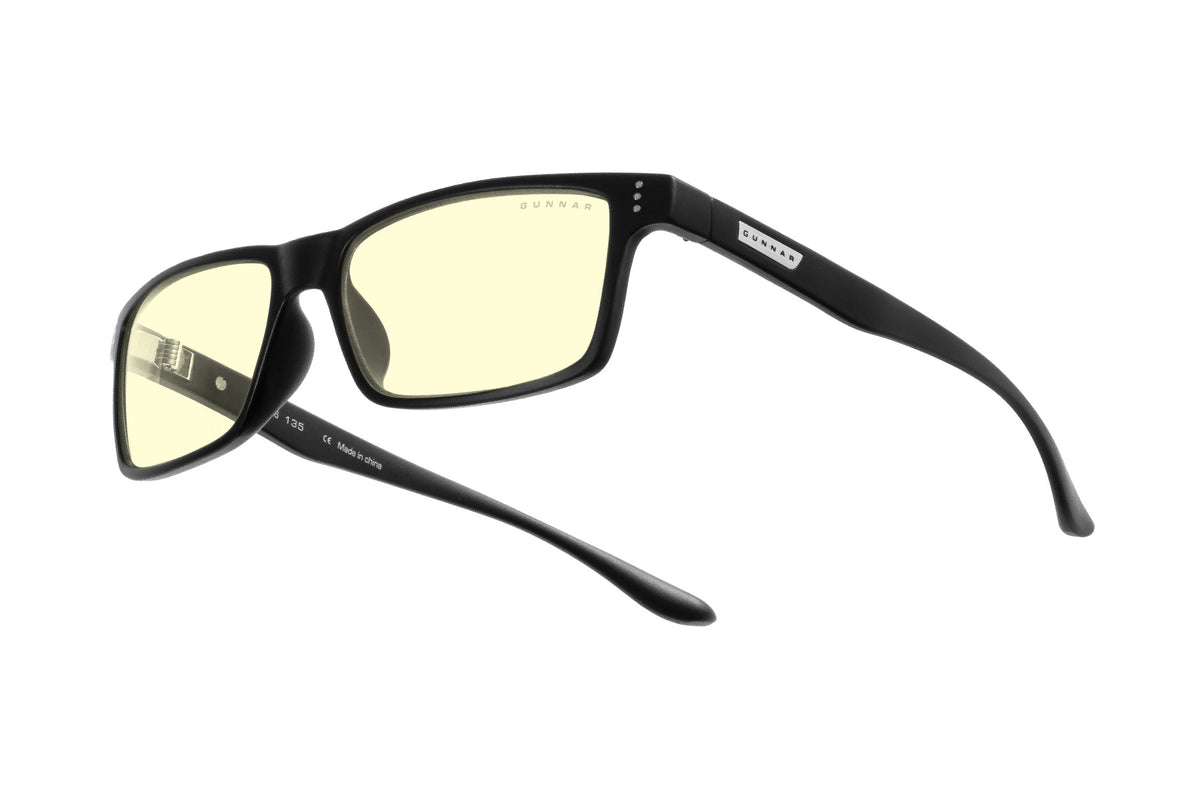
Blue light glasses probably do not reduce digital eye strain or improve your sleep, according to the largest and most rigorous review of the evidence to date. That is not a fringe opinion: the American Academy of Ophthalmology does not recommend them, and a 2023 Cochrane review of seventeen randomized trials found they likely make no meaningful difference. They are not harmful, and some people like wearing them, but the marketing has run far ahead of the science. This guide explains what the evidence actually shows and what does help tired eyes.
We sell no eyewear and earn nothing from a yes or a no here. The goal is the honest answer, plus the practical steps that work. If you still want a well-made pair, our blue light glasses buying guide covers what to look for.
The quick answer
The current evidence does not support blue light glasses for their two most common promises, reducing eye strain and improving sleep. A 2023 Cochrane systematic review concluded that blue-light filtering lenses probably make little or no difference to visual fatigue, and found the evidence for sleep and eye health inconclusive (Singh et al., Cochrane, 2023). They appear safe to wear; they just have not been shown to do what they are sold to do.
What blue light glasses claim to do
Blue light glasses are lenses marketed to filter a portion of the high-energy visible blue light emitted by screens, phones, and LED lighting. The three claims you see most often are that they reduce digital eye strain, that they improve sleep by limiting evening blue light, and that they protect the retina from long-term damage. Each is testable, and each has now been tested.
The intuition behind them is not crazy. Blue light is real, screens emit it, and blue light in the evening can influence the body clock. The question is whether putting a mild filter in your glasses meaningfully changes any outcome you care about, and that is where the evidence matters more than the intuition.
What the evidence actually shows
The strongest evidence comes from a 2023 Cochrane review, the kind of analysis that pools many trials and weighs their quality. It examined seventeen randomized controlled trials and concluded that blue-light filtering lenses probably make little to no difference to visual fatigue in the short term (Singh et al., Cochrane, 2023). For sleep quality and for protecting the macula, the review found the evidence too weak to draw conclusions either way.
Professional bodies have reached the same place. The American Academy of Ophthalmology does not recommend blue light glasses, on the grounds that there is no good evidence blue light from screens damages the eyes, and that the glasses have not been shown to relieve digital eye strain (American Academy of Ophthalmology). When the largest review and the leading professional body agree, that is about as clear as consumer-health evidence gets.
Do blue light glasses help with eye strain?
Probably not, and the reason is that screens do not strain your eyes with blue light in the first place. Digital eye strain comes mostly from how we use screens: staring for long stretches, blinking less, and holding focus at one distance, which dries the eyes and tires the focusing muscles. Filtering a little blue light does nothing about any of that.
This is why the trials come up empty. The Cochrane review found no meaningful reduction in visual fatigue from blue-light filtering lenses (Singh et al., Cochrane, 2023), and it lines up with the mechanism: if blue light is not the cause, a blue-light filter is not the fix. For what does help, see the section below and our eye strain review.
Do they help you sleep?
The honest answer is that it is unproven. There is a real and well-established idea underneath the claim, that blue-rich light in the evening can suppress melatonin and shift the body clock, but that is about light exposure in general, not about whether mild filtering lenses improve your sleep. The Cochrane review specifically looked for a sleep benefit and found the evidence inconclusive (Singh et al., Cochrane, 2023).
If evening screen light is disrupting your sleep, the better-supported moves are behavioural: dim screens at night, use your device’s night mode, reduce screen time in the hour before bed, and keep the bedroom dark. Those address the light reaching your eyes far more than a pair of lightly tinted lenses does.
Do they protect your eyes from screen damage?
There is no good evidence that the blue light from screens damages your eyes, which means there is nothing for the glasses to protect against. The American Academy of Ophthalmology makes this point directly: the levels of blue light from digital devices are far below what would harm the retina, and that is a central reason the Academy does not recommend the glasses (American Academy of Ophthalmology).
The blue light worth respecting is sunlight, which is a vastly stronger source, and the protection that matters there is ultraviolet-blocking sunglasses outdoors, not screen glasses indoors. Conflating the two is the most common misunderstanding in this whole topic.
Are blue light glasses harmful?
No. Whatever they fail to do, blue light glasses are not dangerous. The Cochrane review found no consistent pattern of adverse effects, with any reported issues being mild, infrequent, and temporary (Singh et al., Cochrane, 2023).
So if you own a pair and like how they feel, there is no reason to stop wearing them. The point of this guide is not that they harm you; it is that they should not be your strategy for eye strain or sleep, because better-supported options exist and cost nothing.
What actually helps with screen eye strain
The measures with real backing are behavioural, and the headline one is the 20-20-20 rule: every twenty minutes, look at something about twenty feet away for twenty seconds, which relaxes the focusing muscles (American Academy of Ophthalmology). Pair that with deliberate blinking, since people blink far less at screens, and the dryness that drives most “eye strain” eases.
Beyond that, position the screen a comfortable arm’s length away and slightly below eye level, reduce glare and harsh lighting, keep your glasses prescription up to date, and take regular breaks. If your eyes are dry and gritty rather than just tired, that may be a dry-eye issue worth addressing on its own; see our dry eye review.
Should you buy blue light glasses?
If you find them comfortable or you simply like the look, there is no harm in wearing them, but do not buy them expecting relief from eye strain or better sleep, because the evidence does not support either. Spend the effort on screen habits first, since those are free and actually work.
If you have decided you want a pair anyway, buy on the things that are real: lens quality, anti-reflective coating, a comfortable frame, and an accurate prescription if you need one, rather than the strength of the blue-light marketing. Our blue light glasses buying guide covers how to choose on those terms.
Frequently asked questions
Do blue light glasses actually work?
The evidence says probably not for their main claims. A 2023 Cochrane review of seventeen trials found blue-light filtering lenses likely make no meaningful difference to eye strain, with inconclusive evidence for sleep (Singh et al., Cochrane, 2023).
Do blue light glasses help with eye strain?
There is no good evidence they do, because screen eye strain comes from how we use screens, not from blue light. Eye doctors recommend behavioural fixes like the 20-20-20 rule instead (American Academy of Ophthalmology).
Do blue light glasses help you sleep?
Unproven. Evening light can affect the body clock, but the glasses themselves have not been shown to improve sleep, and the Cochrane review found the evidence inconclusive (Singh et al., Cochrane, 2023). Dimming screens and reducing pre-bed screen time are better-supported.
Does blue light from screens damage your eyes?
There is no good evidence it does. The blue light from devices is far below harmful levels, which is why the American Academy of Ophthalmology does not recommend blue light glasses for eye protection (American Academy of Ophthalmology).
Are blue light glasses safe to wear?
Yes. The Cochrane review found no consistent adverse effects, with any issues being mild and temporary (Singh et al., Cochrane, 2023). They are simply not an effective treatment for eye strain or sleep.
What is the difference between blue light and red light therapy?
They are opposite ends of the spectrum used for different purposes. Blue-light glasses aim to filter screen light, while red light therapy delivers red and near-infrared light as a treatment; see our red light vs blue light therapy comparison.
The bottom line
Blue light glasses probably do not reduce eye strain or improve sleep, the leading professional body does not recommend them, and the largest review found little or no benefit, though they are harmless to wear (Singh et al., Cochrane, 2023). If your eyes are tired at screens, the fixes that work are behavioural and free: the 20-20-20 rule, blinking, better screen setup, and breaks. If you want a pair regardless, choose on lens and frame quality, not blue-light claims, using our blue light glasses buying guide. For specific questions, see whether blue light glasses help headaches and whether kids need blue light glasses. For the unrelated therapy people often confuse this with, see our photobiomodulation overview.
This guide is an educational review of published evidence. It is not medical advice and does not create a doctor-patient relationship. Talk to a qualified eye-care professional about persistent eye symptoms.
More from the Institute
Photobiomodulation for Eye Health: An Evidence Overview
A clear-eyed overview of photobiomodulation for eye health: which eye conditions it is studied for, how strong the evidence is…
Blue Light Glasses for Kids: Do They Help?
Do kids need blue light glasses? The evidence says no proven benefit. Here is what actually protects children's eyes around…

Is Red Light Therapy Safe During Pregnancy?
Is red light therapy safe in pregnancy? The honest answer: it has a good general safety record but has not…