Red Light vs Blue Light Therapy: What’s the Difference?
Red light therapy and blue light therapy sit at opposite ends of the visible spectrum and do almost opposite jobs. Red light, in the roughly 630 to 850nm range, is used to support skin, tissue, and in research the eye, by stimulating cellular energy. Blue light, around 415 to 450nm, is used mainly to kill the bacteria behind acne. They are not interchangeable, and choosing between them is really about which problem you are solving. This guide lays out the difference, the evidence for each, and one common point of confusion: blue light therapy is not the same thing as the blue light from your screen.
We sell no hardware and report the evidence as we find it. For eye-focused red light specifically, our eye-device buying guide goes deeper.
Red light vs blue light therapy: the short answer
Use blue light therapy for acne and red light therapy for skin aging, tissue support, and the eye-related research. Blue light works at the skin’s surface to destroy acne-causing bacteria; red and near-infrared light penetrates deeper to support cellular energy in skin and other tissue. Different wavelengths, different depths, different jobs, which is why many devices offer both and let you pick the mode that matches your goal.
What is red light therapy?
Red light therapy, also called photobiomodulation, uses red and near-infrared light, generally 630 to 850nm, that cells absorb to support their energy production rather than to heat or damage tissue (Gaspari et al., 2024). It penetrates deeper than blue light, which is why it is studied across skin, muscle, and the eye.
Its best-supported cosmetic use is skin aging: red and near-infrared light improved fine lines and increased collagen density in a controlled trial (Wunsch & Matuschka, 2014). For the eyes specifically, the deep-red 670nm wavelength is the focus of retinal research, and red light is the entire basis of the devices we review on this site. It is not used to kill bacteria.
What is blue light therapy?
Blue light therapy uses high-energy visible light around 415 to 450nm, and its main proven use is acne. At those wavelengths, blue light excites natural compounds inside acne-causing bacteria, producing reactive oxygen that destroys them, which is why it is a recognised acne treatment (Scott et al., 2019).
Blue light stays at the surface, so it does not reach deeper tissue the way red light does. The evidence for acne is moderate rather than overwhelming, and reviews call for higher-quality trials, but the mechanism is sound and blue light devices are widely used for breakouts. What blue light therapy is not used for is the skin-aging, tissue-repair, and eye-support roles that belong to red light.
The key differences
The two therapies differ on every axis that matters, which is why the right choice follows directly from your goal.
| Feature | Red light therapy | Blue light therapy |
|---|---|---|
| Wavelength | ~630 to 850nm | ~415 to 450nm |
| Penetration | Deeper (into tissue) | Surface only |
| Main use | Skin aging, tissue support, eye research | Acne |
| Mechanism | Supports cellular energy | Destroys acne bacteria |
| Eye relevance | Yes, studied for the eye | No, and intense blue light is the kind eyes are protected from |
Can you use red and blue light together?
Yes, and many skincare devices combine them precisely because they do different jobs. A common pairing targets acne with blue light while supporting the surrounding skin with red light, and combined red-blue protocols are used for exactly that reason. If your concern is breakouts plus aging, a device offering both modes is reasonable.
For the eyes, though, the relevant therapy is red, not blue. Eye-focused devices use red and near-infrared light because those are the wavelengths studied for the retina and ocular surface, and because intense blue light is the part of the spectrum the eye is generally protected from rather than dosed with.
What about blue light from screens?
This is the most common confusion in the whole topic, so it is worth separating clearly. Blue light therapy is a deliberate, dosed treatment for acne. The blue light from screens is a low-level, incidental exposure, and the worry people have about it, eye damage and disrupted sleep, is a different conversation entirely.
On that screen question, the evidence is reassuring and underwhelming: there is no good evidence screen blue light harms the eyes, and blue-light-blocking glasses have not been shown to reduce eye strain or improve sleep. We cover that in full in our do blue light glasses work guide. The short version is that therapeutic blue light and screen blue light are not the same thing, and neither one is a reason to fear the other.
Which is right for you?
Match the light to the problem. If your goal is clearing acne, blue light therapy is the relevant tool, used on the skin at the surface. If your goal is skin aging, tissue recovery, or anything related to the eyes, red light therapy is the one with the supporting research, and it penetrates to where those changes happen. If you have both skin-aging and acne concerns, a combined red-blue device covers both.
For anything involving the eyes, red light is the answer, and the devices, evidence, and safety all live in our eye-device buying guide and research reviews.
Frequently asked questions
What is the difference between red and blue light therapy?
Red light (630 to 850nm) penetrates deeper and supports cellular energy for skin aging, tissue, and eye research (Gaspari et al., 2024). Blue light (415 to 450nm) stays at the surface and destroys acne bacteria. Different wavelengths, different jobs.
Is red or blue light better for acne?
Blue light is the one used for acne, because it destroys the bacteria involved (Scott et al., 2019). Red light is not an antibacterial treatment, though combined red-blue devices pair blue for acne with red for the surrounding skin.
Is red or blue light better for wrinkles?
Red light. Red and near-infrared light improved fine lines and collagen density in a controlled trial (Wunsch & Matuschka, 2014), while blue light is not used for skin aging.
Which is used for the eyes?
Red light. Eye-focused devices use red and near-infrared wavelengths studied for the retina and ocular surface; blue light is not used as an eye therapy. See our eye-device buying guide.
Is blue light therapy the same as blue light from screens?
No. Blue light therapy is a deliberate, dosed acne treatment; screen blue light is low-level incidental exposure. Screen blue light has not been shown to harm the eyes, and filtering glasses have not been shown to help; see our blue light glasses guide.
The bottom line
Red and blue light therapy are different tools for different problems: blue light for acne at the skin’s surface, red light for skin aging, tissue support, and everything eye-related, where it penetrates deeper and carries the research. They can be combined for skin, but for the eyes the answer is always red. And keep therapeutic blue light separate in your mind from screen blue light, which is a different and far less worrying topic. For eye-focused red light devices and evidence, see our buying guide and photobiomodulation overview.
This guide is an educational review of published evidence. It is not medical advice and does not create a doctor-patient relationship. Always talk to a qualified professional before starting any light-based therapy.
More from the Institute
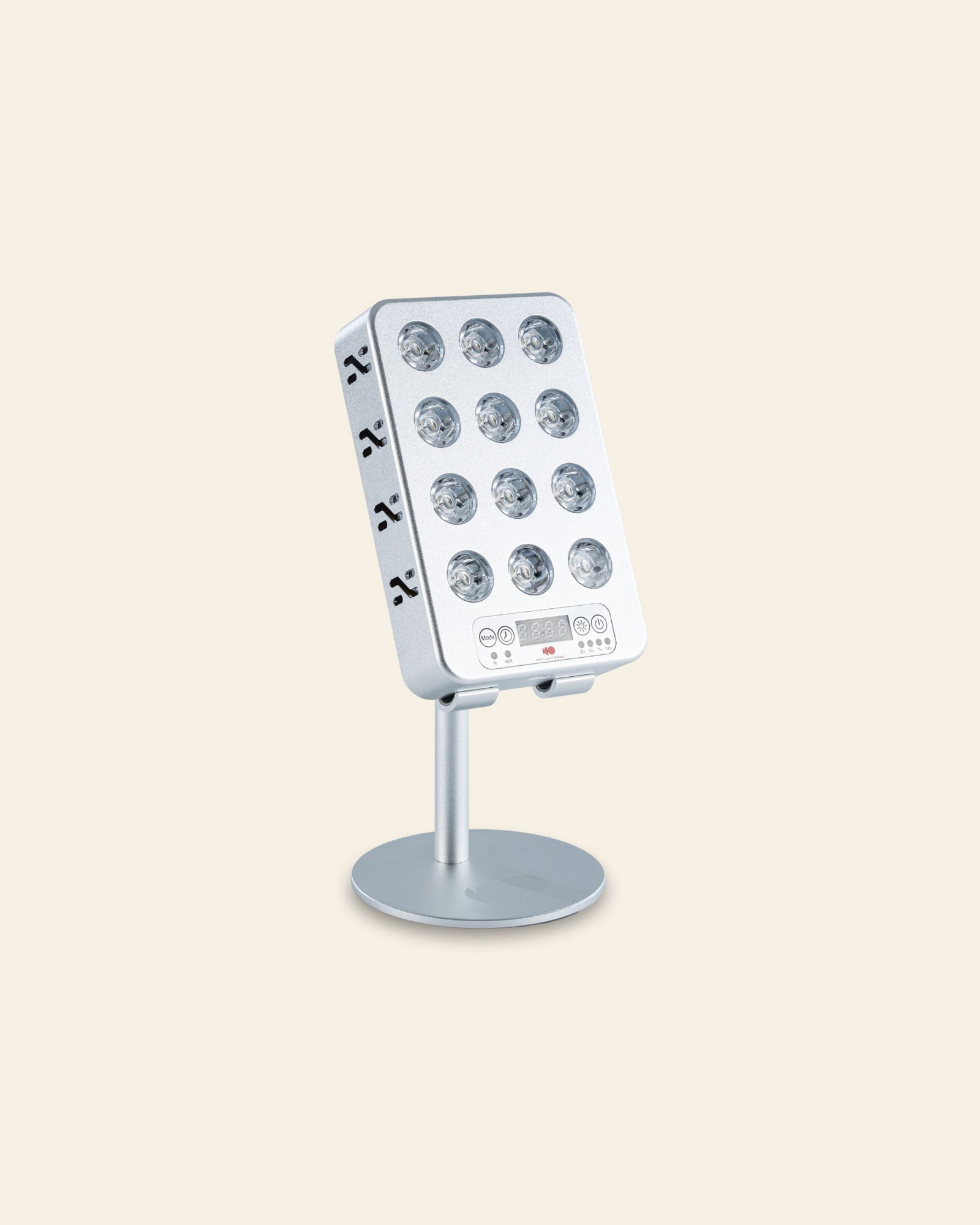
Best Red Light Therapy Devices for Eyes (2026)
An independent, evidence-based comparison of 13 red light therapy devices for the eyes, from at-home masks to clinic systems, with…
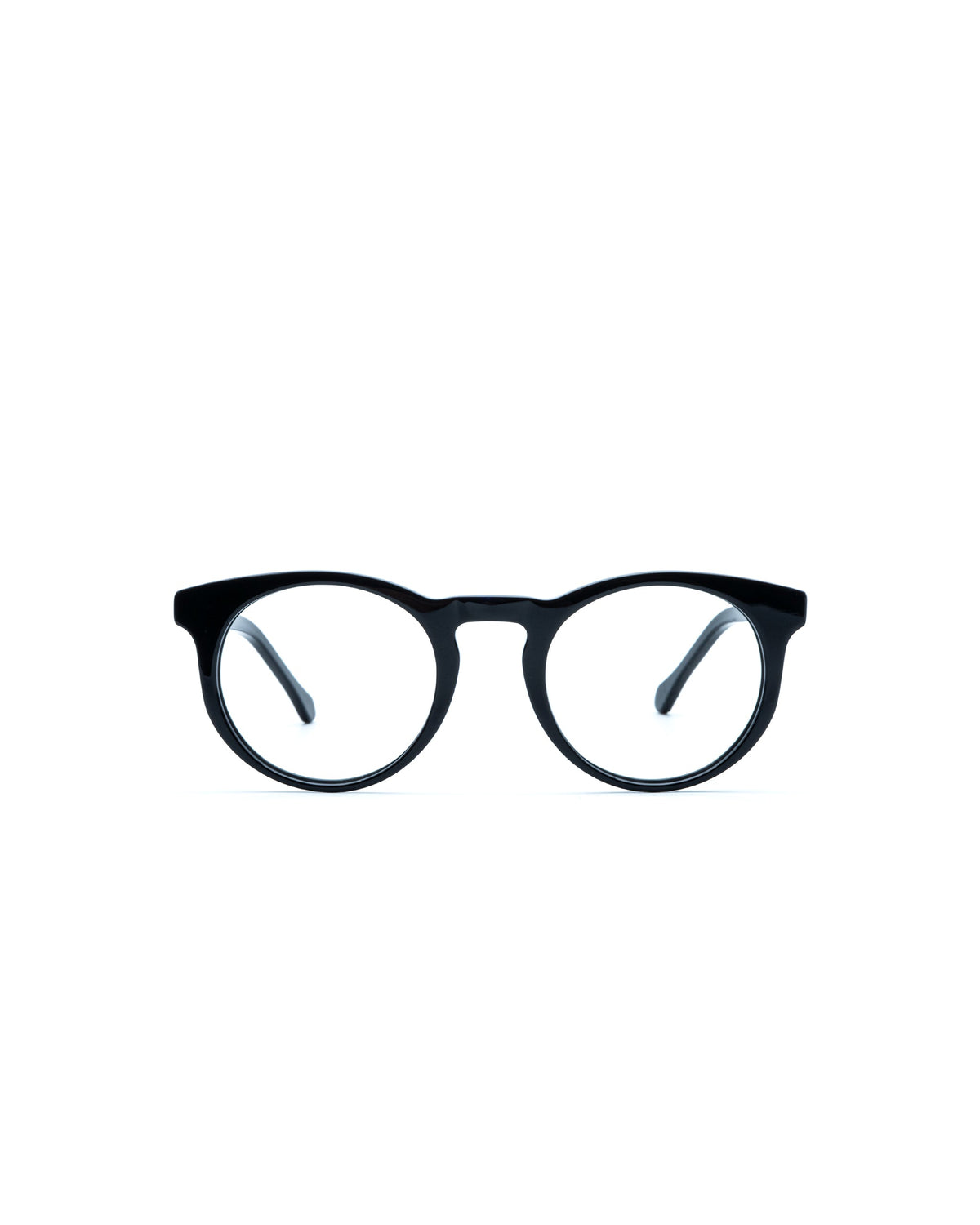
Best Blue Light Glasses (2026): An Honest Buyer’s Guide
The best blue light glasses if you want a pair, chosen on lens and frame quality, not hype. First, the…

Blue Light Glasses for Kids: Do They Help?
Do kids need blue light glasses? The evidence says no proven benefit. Here is what actually protects children's eyes around…