Do Blue Light Glasses Help With Headaches?
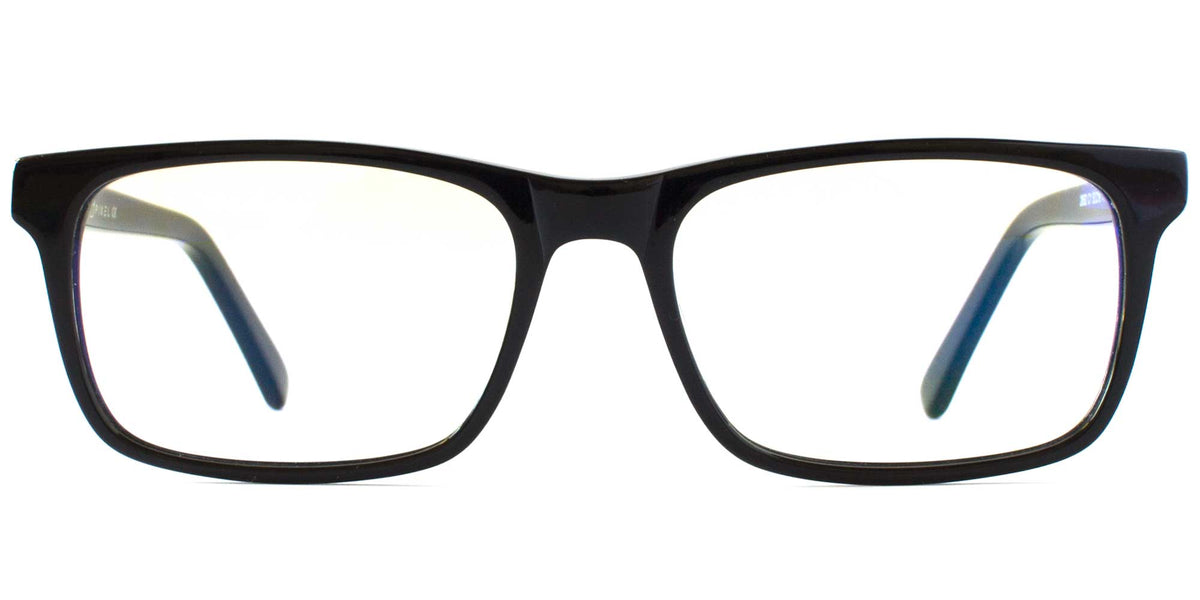
Standard blue light glasses are not proven to help headaches, but there is an important exception that gets lost in the marketing: specially tinted FL-41 lenses, which are a different product, do have real evidence for migraine and light sensitivity. So if you are asking whether the everyday clear blue-light glasses sold for screens will stop your headaches, the honest answer is probably not. If you have migraines or light sensitivity, a specific rose-tinted lens is the option with actual research behind it. This guide draws that line clearly.
We sell no eyewear. For the broader evidence on screen blue-light glasses, see our do blue light glasses work guide.
The short answer
Generic blue light glasses, the clear lenses marketed to filter screen light, have not been shown to relieve headaches, in line with the broader finding that they do not reduce digital eye strain (Singh et al., Cochrane, 2023). A different product, FL-41 tinted lenses, which have a distinctive rose tint and block a specific band of light around 480nm, does have evidence for reducing migraine frequency and light sensitivity. The two are easy to confuse and are not the same thing.
Why standard blue light glasses probably won’t help
The headaches people blame on screens usually come from how they use screens, prolonged focus, infrequent blinking, glare, and poor posture, rather than from blue light itself. Filtering a little blue light does nothing about those causes, which is why the controlled evidence is unconvincing.
The American Academy of Ophthalmology does not recommend blue light glasses, noting there is no good evidence that screen blue light harms the eyes or that the glasses relieve the symptoms attributed to it (American Academy of Ophthalmology). If a clear pair feels comfortable to you, there is no harm in wearing it, but it is not a reliable headache treatment.
The exception: FL-41 tinted lenses and migraine
Here is where the topic gets genuinely interesting. FL-41 is a specific rose-coloured tint that selectively filters wavelengths around 480nm, the band that most strongly triggers light sensitivity in the brain, and it is a distinct product from standard blue-light glasses. In research on migraine, optical notch-filter lenses targeting that band improved headache impact and photophobia scores (notch-filter migraine study, 2017).
The effect is not subtle in some studies. The same line of research includes a cohort of children with migraine whose attack frequency dropped substantially while wearing the precision tint, and newer work shows FL-41 reduces the activation of the brain’s photophobia pathways in people with chronic ocular pain (FL-41 photophobia study, 2024). This is light sensitivity being addressed at the wavelength that drives it, which is a different mechanism from generically dimming blue light.
So which do you need?
It depends on the problem. If you get ordinary tension or screen-related headaches, the fix is behavioural, not eyewear, and a generic blue-light pair is unlikely to do much. If you have diagnosed migraine, chronic photophobia, or light sensitivity from a condition like dry eye or post-concussion syndrome, FL-41 or notch-filter tinted lenses are the evidence-based option worth discussing with your doctor.
The practical mistake is buying clear blue-light glasses expecting migraine relief. They are not the tinted lenses the migraine research used, and they will likely disappoint. Match the product to the problem.
What actually helps screen headaches
For the common screen-related headache, the proven steps cost nothing. Follow the 20-20-20 rule, looking 20 feet away for 20 seconds every 20 minutes, blink deliberately, reduce glare, position the screen an arm’s length away and slightly below eye level, and take regular breaks (American Academy of Ophthalmology). Keep your glasses prescription current, since an outdated prescription is a common hidden cause of screen headaches.
If headaches are frequent or severe, see a doctor rather than self-treating with eyewear, because recurrent headaches deserve a proper diagnosis.
Can blue light glasses give you a headache?
Occasionally, yes, and it is worth knowing. Some people report headaches when they first wear blue-light or tinted glasses, usually from an ill-fitting frame, a lens that is not centred to their eyes, or an unnecessary prescription element built into a non-prescription pair. A heavy tint can also shift colour perception in a way that feels straining at first.
If a new pair gives you headaches, the fix is usually mechanical: check the fit, make sure any prescription is correct, and give clear lenses rather than a strong tint a try. If headaches persist with or without the glasses, that points to a cause the eyewear is not addressing, and a doctor or optometrist visit is the right next step.
Frequently asked questions
Do blue light glasses help with headaches?
Standard blue light glasses are not proven to relieve headaches, consistent with evidence that they do not reduce digital eye strain (Singh et al., Cochrane, 2023). Specially tinted FL-41 lenses are a different product with real migraine evidence.
What are FL-41 glasses?
FL-41 is a rose-coloured tint that filters wavelengths around 480nm, the band most linked to light sensitivity. Notch-filter lenses targeting that band improved migraine and photophobia scores in research (notch-filter migraine study, 2017), unlike standard clear blue-light glasses.
Are FL-41 glasses the same as blue light glasses?
No. Standard blue-light glasses are usually clear and lightly filter screen light; FL-41 is a specific rose tint that blocks a targeted band and is used for migraine and photophobia. The migraine evidence applies to FL-41, not to generic blue-light glasses.
Can blue light cause headaches?
Screen use can contribute to headaches, but mostly through prolonged focus, glare, and reduced blinking rather than blue light itself. The behavioural fixes above address those causes better than filtering glasses.
What should I do for migraine light sensitivity?
Talk to your doctor about FL-41 or notch-filter tinted lenses, which have evidence for migraine and photophobia (FL-41 photophobia study, 2024), and about migraine management overall. Tinted lenses are an aid, not a standalone treatment.
The bottom line
Standard blue light glasses are unlikely to help your headaches, and the leading evidence does not support them for that. The real exception is FL-41 or notch-filter tinted lenses, a distinct rose-tinted product with genuine evidence for migraine and light sensitivity, worth discussing with a doctor if that is your situation. For ordinary screen headaches, behavioural fixes work better than any eyewear. For the wider picture on screen blue-light glasses, see our do blue light glasses work guide, and if you want a well-made pair, our blue light glasses buying guide.
This guide is an educational review of published evidence. It is not medical advice and does not create a doctor-patient relationship. See a doctor for frequent or severe headaches.
More from the Institute
 Likely helpful
Does Red Light Therapy Help Dry Eye Disease?
Dry eye disease has the strongest light-therapy evidence of any condition we review. What the trials show for IPL and…
 Likely helpful
Does Red Light Therapy Help Meibomian Gland Dysfunction?
The evidence on red light therapy for meibomian gland dysfunction (MGD): what trials show, how it compares to IPL, how…
Blue Light Glasses for Kids: Do They Help?
Do kids need blue light glasses? The evidence says no proven benefit. Here is what actually protects children's eyes around…