How to Use Red Light Therapy for Eyes (2026)
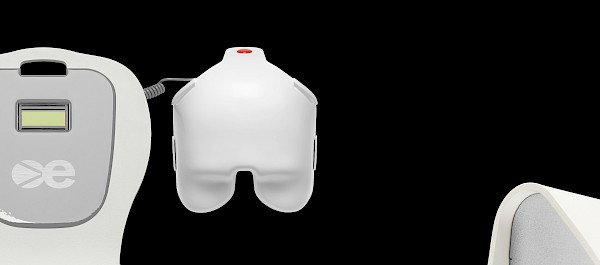
Using red light therapy for the eyes well comes down to four things: the right device for your goal, the right dose, consistency, and not overdoing it. Most people get the device part right and then undermine it with the dose, either by running sessions too long in the belief that more is better, or by quitting before the weeks it takes to see a change. This guide walks through the protocol step by step, then answers the two questions everyone asks: how long each session should be, and how long until results show.
It is a device-neutral guide to safe use, not a pitch for any one product. When you are ready to choose a device, our eye-device buying guide and eye-mask guide cover the options. We sell no hardware.
How to use red light therapy for eyes, step by step
The core routine is simple, and the details are mostly about respecting the dose your device was designed around.
- Match the device to your goal. Eye-health devices aim light at the eye for dry eye or retinal support; cosmetic masks aim light at the surrounding skin for wrinkles. Using the wrong category is the most common mistake.
- Start clean and bare. Remove makeup, contact lenses, and any skincare with active ingredients or SPF, which can sit on the skin and interfere with the light or react to it.
- Position the device as instructed. Eye masks and glasses are designed for a specific distance and eyelid position, because the dose assumes it. Do not improvise the distance.
- Follow the eyes-open or eyes-closed instruction for your device. This is set by the manufacturer or your clinician and is not interchangeable between devices.
- Run one preset session, then stop. Do not stack sessions or extend the timer. The preset is the dose.
- Be consistent. Use it on the schedule the device recommends, because the benefit builds over repeated sessions rather than any single one.
How long should a red light therapy eye session be?
Most eye devices run a single session of roughly 3 to 20 minutes, and the device sets that time deliberately. The reason matters: photobiomodulation follows a biphasic dose-response curve, where a moderate dose helps and too much can cancel the benefit (Huang et al., Dose-Response 2009). Doubling the time does not double the effect, and it can work against you.
This is why the single most important rule of usage is to stay within the preset session length and frequency. If a device offers a daily mode, use it daily; if it specifies a few times a week, do not run it more often hoping to speed things up.
How often should you use it?
Frequency follows the same logic as session length: follow the device protocol rather than your instinct. Many at-home eye devices are designed for daily or near-daily use in short sessions, while some clinic-derived protocols concentrate sessions into courses with breaks in between. In the research on dry eye, benefit came from repeated sessions over weeks rather than from intensive use (Giannaccare et al., 2022). Regular, moderate use beats occasional long sessions.
How long until red light therapy works for the eyes?
Expect weeks to months, not days. The wavelengths can act quickly at the cellular level, and one study even measured improved colour-contrast sensitivity after a single 670nm exposure (Shinhmar et al., 2021), but visible, durable changes in symptoms or skin generally build over a course of regular sessions.
As a rough guide, dry-eye comfort often shifts over a few weeks of consistent use, and cosmetic skin changes are typically assessed at four weeks or more. Any product promising overnight results is overselling. The realistic mindset is a multi-week routine you judge after a month, not a single dramatic session.
At-home versus clinic protocols
At-home and clinic use differ mainly in supervision and dose. A home device hands you a fixed, capped dose and asks you to be consistent. A clinic protocol is set and monitored by a clinician, matched to a diagnosis, and often delivered as a structured course. Neither is automatically better at the routine level; the clinic route adds oversight and, for some devices, evidence behind that specific protocol.
If you have a diagnosed eye condition, the safest path is to ask your eye-care professional what protocol fits, rather than self-designing one. For general at-home support, the manufacturer’s preset protocol is the dose you should follow.
Safety dos and don’ts
Used as directed, red and near-infrared eye devices have a good safety record, and a review of ocular photobiomodulation found no adverse effects at typical therapeutic doses (Gaspari et al., 2024). The safe-use rules are mostly common sense applied to the dose.
- Do follow the eyes-open or eyes-closed instruction exactly, and use any included shields.
- Do keep sessions within the preset time and frequency.
- Do not stare directly into a bright panel or flashlight as a substitute for a purpose-built device, which is an uncontrolled and riskier dose.
- Do not use it without medical advice if you have active cancer in the area, take photosensitizing medication, have photosensitive epilepsy, or have a serious retinal condition.
Our eye-safety guide covers the contraindications in detail.
Common mistakes to avoid
The mistakes that undermine results cluster around dose and expectations. Running longer or more frequent sessions than the device specifies is the big one, because it ignores the biphasic curve. Quitting after a week is the second, because the benefit had not had time to build. Using the wrong category of device, a cosmetic skin mask for an eye condition or vice versa, is the third. Finally, improvising with a generic panel or flashlight trades a controlled dose for an uncontrolled one. Avoid those four and you are using the therapy about as well as it can be used.
Frequently asked questions
How long should I use red light therapy on my eyes?
Use one preset session, typically 3 to 20 minutes depending on the device, and do not extend it. The timer reflects a deliberate dose, and more is not better because the effect follows a biphasic curve (Huang et al., 2009).
How often should I do red light therapy for my eyes?
Follow your device’s schedule, which is often daily or several times a week in short sessions. Regular, moderate use over weeks produced benefit in dry-eye research (Giannaccare et al., 2022), rather than intensive or marathon sessions.
How long until I see results?
Weeks to months. Cellular effects can be fast, but symptom and skin changes build over a course of regular use and are usually judged at four weeks or more (Shinhmar et al., 2021). Overnight claims are not realistic.
Should my eyes be open or closed?
It depends on the device, and you should follow its specific instruction. Cosmetic skin masks are generally used with the eyes closed or shielded; eye-health devices specify an eyelid position because the dose assumes it.
Can I use red light therapy on my eyes every day?
Often yes, if your device is designed for daily use, but only at the preset session length. Daily short sessions are fine when specified; doubling up or extending the time is not.
Can I just use a red light panel or flashlight on my eyes?
That is not advisable. General-purpose panels and flashlights are not built for the eye, deliver an uncontrolled dose, and can be too intense to look toward safely. A purpose-built device with a capped dose is the safer choice.
The bottom line
Using red light therapy for the eyes well is mostly about discipline: pick the right device for your goal, follow the preset session length and frequency, give it weeks rather than days, and respect the safety rules around eyelid position and contraindications. The dose is the medicine, and more is not better. When you are ready to choose a device, compare the options in our eye-device buying guide or, for under-eye skin, our eye-mask guide, and read the science in our research reviews.
This guide is educational and not medical advice. It does not create a doctor-patient relationship. Always follow your device’s instructions and talk to a qualified eye-care professional before starting any light-based therapy.
More from the Institute
 Mixed
Mixed
Does Red Light Therapy Help Diabetic Retinopathy?
The largest trial of light therapy for diabetic eye disease found no benefit. What CLEOPATRA showed, why early hopes faded,…
Best Blue Light Glasses (2026): An Honest Buyer’s Guide
The best blue light glasses if you want a pair, chosen on lens and frame quality, not hype. First, the…
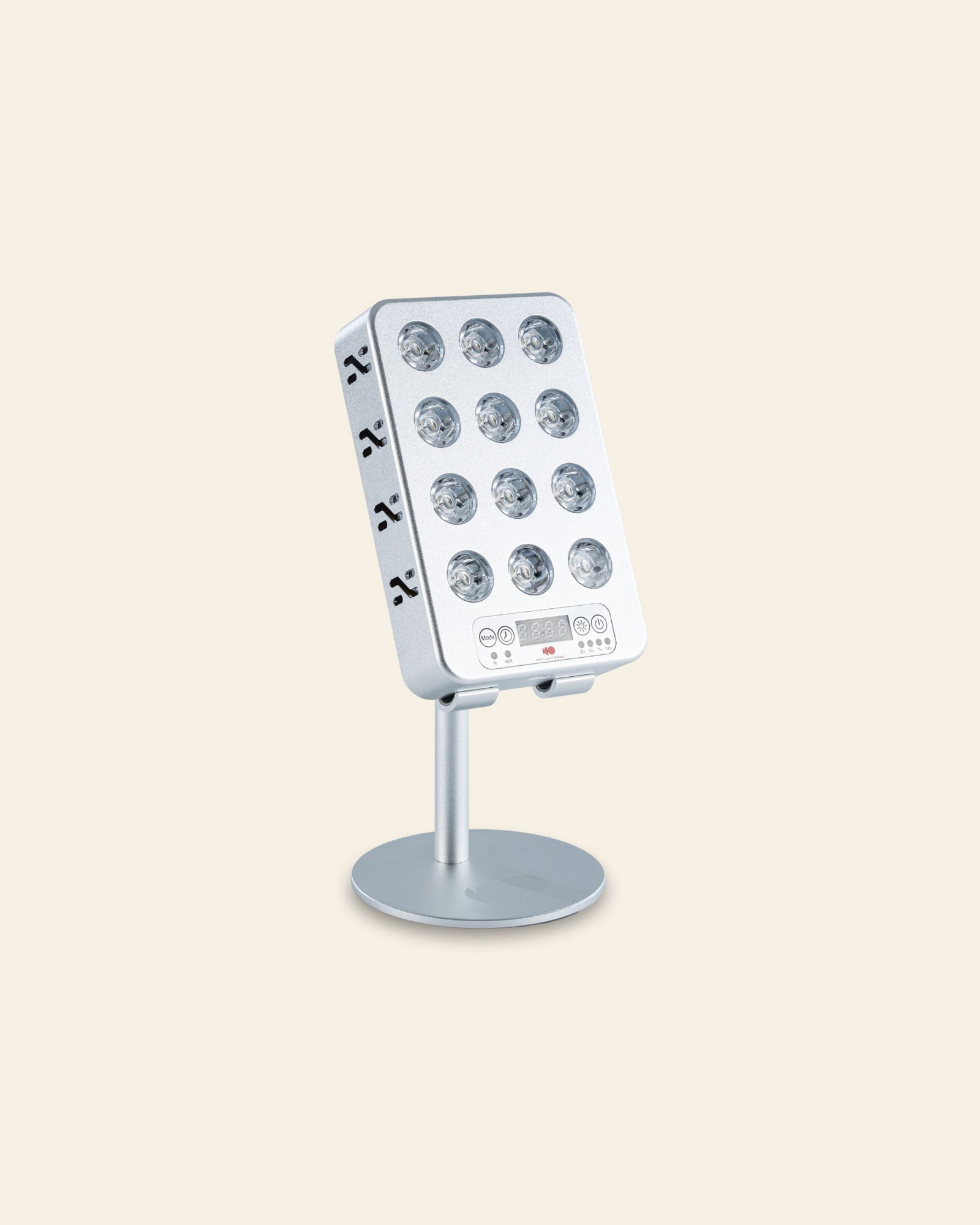
Best Red Light Therapy Devices for Eyes (2026)
An independent, evidence-based comparison of 13 red light therapy devices for the eyes, from at-home masks to clinic systems, with…